

Why Magnesium and Herbal Adaptogens Are Trending in 2026
- May 17, 2026
- Herbals & Natural Health
Discover how magnesium, adaptogenic herbs, and vitamin B support modern wellness, stress balance, better sleep, and daily energy.

Dr. Suleiman Atieh
Founder
Dr. Suleiman Atieh is a pharmacist and founder of إلَيَّ, with a strong passion for healthcare marketing, brand strategy, and business development. He focuses on building meaningful healthcare brands that connect science, market needs, and modern communication.
Reviewed by Celine Abdallah
Last updated: May 17, 2026
Table of Contents
This article is for educational purposes only and is not a substitute for professional medical advice.
Introduction
Modern wellness is changing. People are no longer looking only for a basic multivitamin or a single herbal product. Today, many are searching for smarter daily support that fits real lifestyle needs: stress, low energy, poor sleep, mental fatigue, and busy routines.
That is why the combination of magnesium, adaptogenic herbs, and vitamin B has become one of the most interesting topics in the vitamins and herbs space. It brings together three wellness categories that are strongly connected to how the body manages energy, nervous system function, and daily balance.
This does not mean that one supplement can solve everything. But understanding how these nutrients and herbs work can help people make better choices for their daily wellness routine.
Why Stress, Sleep, and Energy Are Now Connected Wellness Goals
Stress, sleep, and energy are often treated as separate issues. In reality, they are closely connected.
When sleep quality is poor, energy drops. When stress levels are high, the body may feel mentally and physically drained. When daily nutrition is not balanced, the nervous system and energy metabolism may not perform at their best.
This is one reason many people are now interested in supplements that support the body from more than one direction. Instead of looking only for “energy boosters,” they are looking for nutrients and herbs that may support calmness, rest, focus, and sustainable vitality.
Magnesium: The Mineral Behind Calm, Muscles, and Daily Function
Magnesium is an essential mineral involved in many important functions in the body. According to the NIH Office of Dietary Supplements, magnesium plays a role in more than 300 enzyme systems, including processes related to muscle and nerve function, blood glucose control, blood pressure regulation, and energy production.
In wellness, magnesium is often discussed for its connection to relaxation, muscle comfort, and sleep routines. While it should not be positioned as a cure for sleep problems or stress, magnesium is important for normal nervous system and muscle function.
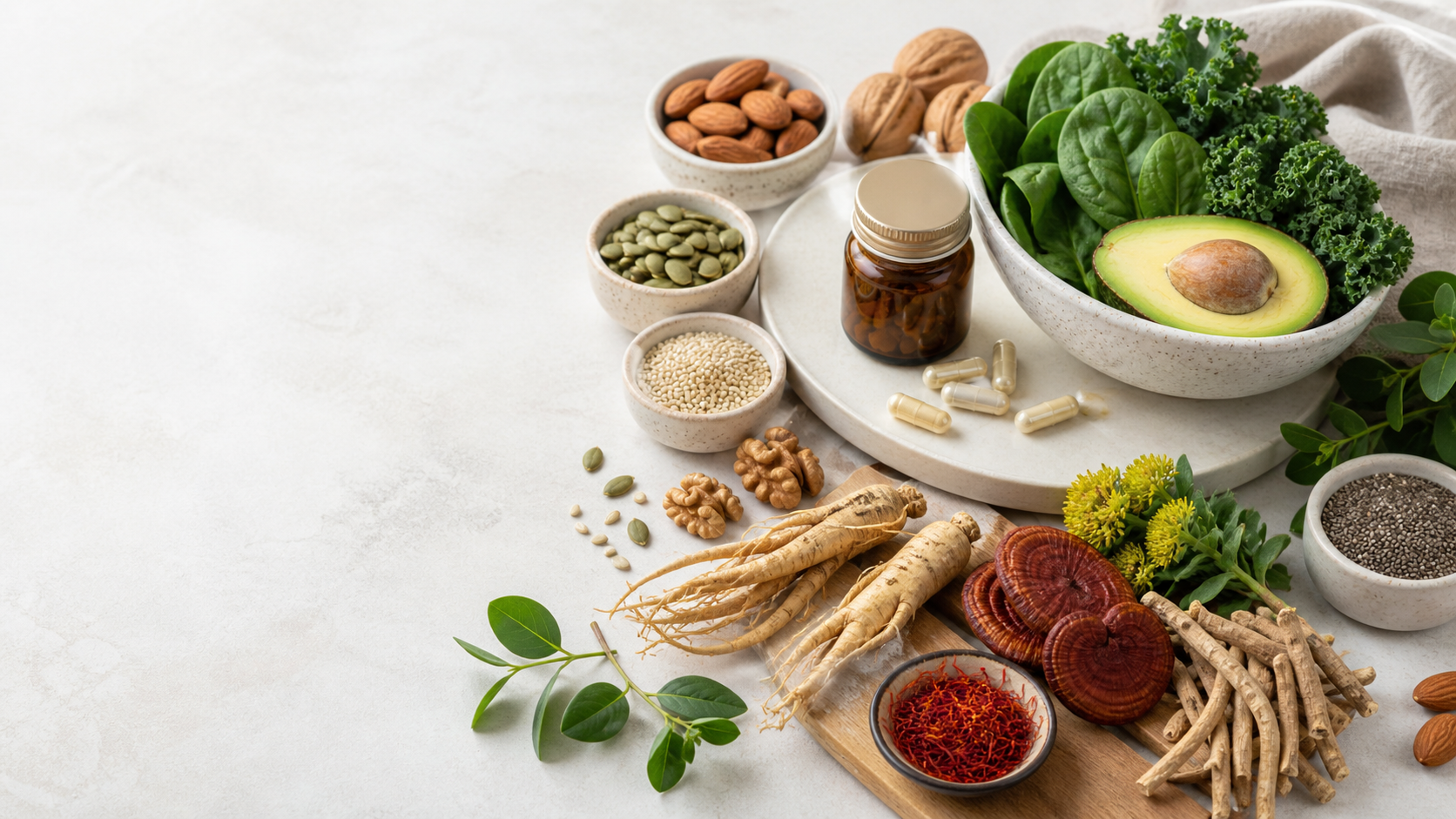
Common food sources of magnesium include nuts, seeds, legumes, whole grains, and leafy green vegetables. For people who do not get enough magnesium from food, supplements may be considered, but the right form and dose should depend on individual needs.
Why magnesium is trending
Magnesium is popular because it fits several modern wellness needs:
- Stress and relaxation support
- Muscle function
- Sleep routine support
- Energy metabolism
- Women’s wellness and active lifestyles
It is also widely recognized, easy to understand, and familiar to many consumers, which makes it a strong topic for vitamin and herbal blogs.
Adaptogens: Herbal Support for Modern Stress
Adaptogens are herbs traditionally used to help the body adapt to stress and support resilience. They are not magic ingredients, and their effects can vary depending on the person, the extract, the dose, and the quality of the product.
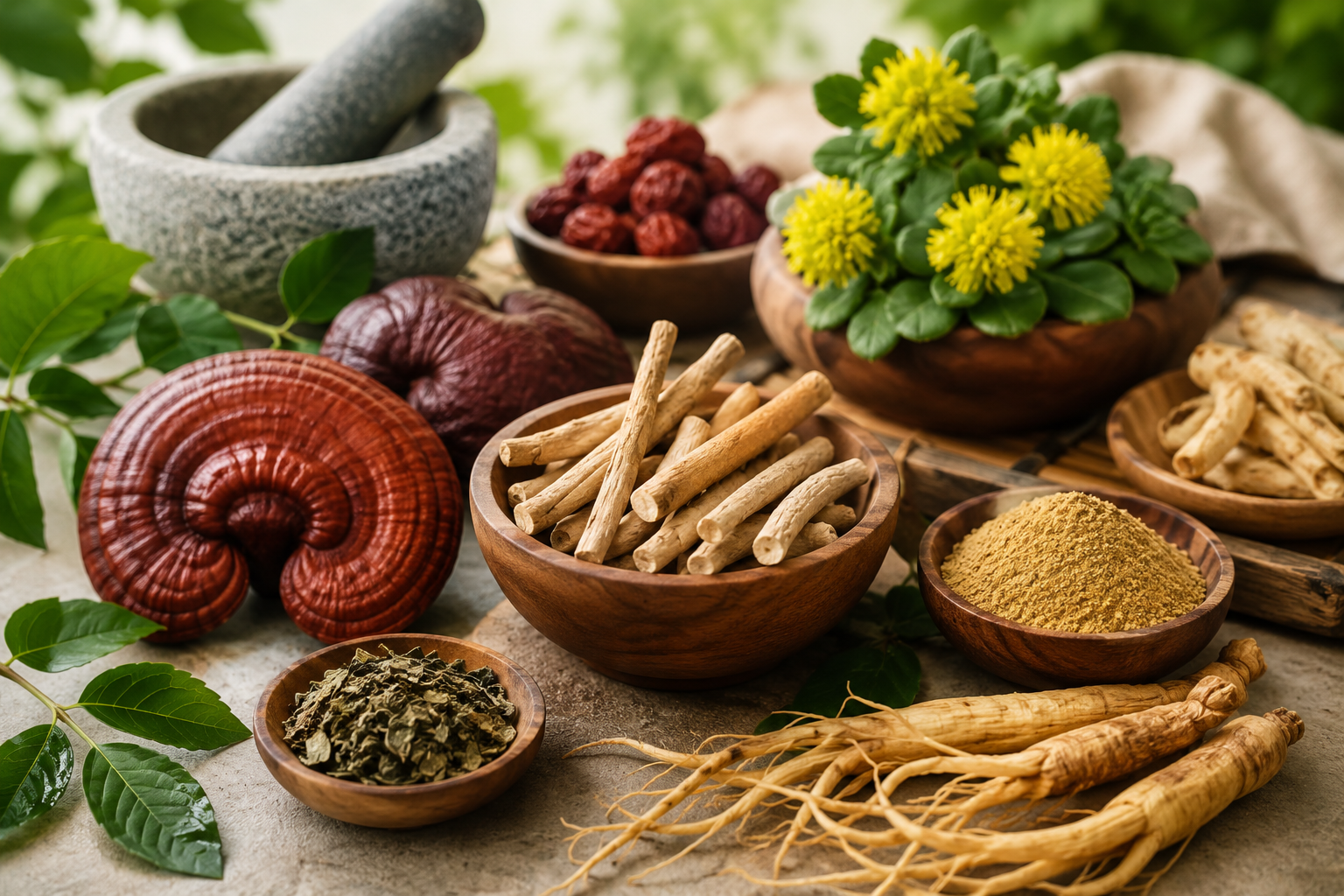
Some of the most popular adaptogenic herbs include:
Ashwagandha
Ashwagandha is one of the most trending herbs in the wellness market. The National Center for Complementary and Integrative Health notes that some ashwagandha preparations may be helpful for stress and insomnia, although evidence for anxiety is still unclear.
Rhodiola
Rhodiola is often associated with fatigue, stress resilience, and mental performance. NCCIH states that rhodiola is possibly safe for up to 12 weeks, but side effects may include dizziness, headache, insomnia, or dry mouth, and safety during pregnancy or breastfeeding is not well known.
Ginseng
Ginseng is commonly used in traditional wellness practices for energy and vitality. It is often positioned for people who want natural support for performance and daily stamina.
Saffron
Saffron is gaining attention in mood and emotional wellness supplements. It is often used in premium formulations because of its strong consumer appeal and botanical positioning.
Reishi mushroom
Reishi is often included in calm, immune, and nighttime wellness formulas. It is popular in the “functional mushroom” trend.
Vitamin B: The Energy and Nervous System Support Family
Vitamin B is not one single vitamin. It is a family of water-soluble vitamins that support different functions in the body. B vitamins are especially known for their role in energy metabolism and nervous system health.
Vitamin B12, for example, helps keep nerve and blood cells healthy and supports DNA production. Vitamin B12 deficiency may cause symptoms such as fatigue, neurological changes, and megaloblastic anemia.
This is why B vitamins are commonly included in formulas for energy, focus, fatigue support, and daily wellness. However, it is important to communicate clearly: B vitamins support normal energy metabolism, but they are not stimulants like caffeine.
Common B vitamins used in wellness products
Vitamin B1 supports carbohydrate metabolism and nervous system function.
Vitamin B2 supports energy production and cellular function.
Vitamin B3 is involved in metabolism and cellular energy pathways.
Vitamin B6 contributes to normal nervous system function and may be included in mood and hormonal wellness formulas.
Folate supports cell division and is especially important in women’s health.
Vitamin B12 supports nerve health, red blood cell formation, and energy-related functions.
Why the Trio Works Well Together as a Wellness Concept
The combination of magnesium, adaptogens, and vitamin B is attractive because each category has a different role.
Magnesium supports normal nerve and muscle function.
Adaptogens provide herbal support for stress resilience and balance.
Vitamin B supports normal energy metabolism and nervous system function.
Together, they create a strong wellness story: calm energy.
This is important because many people do not want to feel overstimulated. They want to feel productive, focused, and balanced without relying only on caffeine or high-stimulant products.
That is why “calm energy” is becoming a powerful concept in the supplement world.
Who May Be Interested in This Type of Support?
This wellness category may appeal to:
- Busy professionals with stressful routines
- Students with high mental workload
- People who feel tired from poor sleep habits
- Women looking for daily balance support
- Active individuals who need muscle and recovery support
- People looking for caffeine-free wellness options
However, supplements should always be personalized. What works for one person may not be suitable for another.
Safety: What Consumers Should Know
Natural does not always mean risk-free. Vitamins, minerals, and herbs can interact with medications, health conditions, pregnancy, breastfeeding, or other supplements.
For example, NCCIH notes that rhodiola may interact with losartan, a blood pressure medication, and that its safety during pregnancy or breastfeeding is not well known. Ashwagandha also requires caution, especially for people with certain medical conditions or those taking medications.
Before starting any new supplement, especially herbal products, it is best to speak with a healthcare professional.
How to Choose a Good Magnesium, Adaptogen, or Vitamin B Supplement
When choosing a supplement, look beyond the front label. A good product should clearly show:
- The exact form of magnesium or vitamin used
- The amount per serving
- The herbal extract type and standardization, when available
- Clear usage instructions
- Quality and testing information
- Safety warnings and contraindications
- No exaggerated medical claims
For herbs, quality matters a lot. The same herb can perform differently depending on the extract, concentration, origin, and manufacturing standards.
Final thoughts
Magnesium, adaptogens, and vitamin B represent a modern direction in wellness: targeted, lifestyle-based support.
This combination speaks to what many people are looking for today: better stress balance, improved daily energy, nervous system support, and a more natural approach to wellness. It also gives vitamin and herbs brands a strong educational topic that can connect with consumers in a useful and responsible way.
The key is to keep the message clear and honest. These ingredients can support wellness, but they are not a replacement for sleep, balanced nutrition, physical activity, or professional medical care.
In the end, the future of vitamins and herbs is not just about taking more supplements. It is about choosing smarter support for the way people actually live.
FAQ
1. Can magnesium help with stress and sleep?
Magnesium supports normal nerve and muscle function and plays a role in many body processes. It is commonly used in wellness routines related to relaxation and sleep support, but it should not be presented as a treatment for stress or insomnia.
2. What are adaptogenic herbs?
Adaptogenic herbs are botanicals traditionally used to support the body’s response to stress. Popular examples include ashwagandha, rhodiola, ginseng, saffron, and reishi.
3. Does vitamin B give energy?
Vitamin B supports normal energy metabolism. This means it helps the body use nutrients for energy, but it does not work like a stimulant.
4. Can I take magnesium, adaptogens, and vitamin B together?
Some formulas combine these ingredients, but suitability depends on the person, health status, medications, and dosage. It is best to ask a healthcare professional before starting a new supplement routine.
References
- NIH Office of Dietary Supplements. Magnesium – Health Professional Fact Sheet.
- NIH Office of Dietary Supplements. Vitamin B12 – Health Professional Fact Sheet.
- NIH Office of Dietary Supplements. Vitamin B6 – Consumer Fact Sheet.
- NIH Office of Dietary Supplements. Folate – Health Professional Fact Sheet.
- NIH Office of Dietary Supplements. Dietary Supplements and Life Stages: Pregnancy.
- National Center for Complementary and Integrative Health. Ashwagandha: Usefulness and Safety.
- NIH Office of Dietary Supplements. Ashwagandha: Is it helpful for stress, anxiety, or sleep?
- National Center for Complementary and Integrative Health. Rhodiola: Usefulness and Safety.
- National Center for Complementary and Integrative Health. Asian Ginseng: Usefulness and Safety.
- National Center for Complementary and Integrative Health. Using Dietary Supplements Wisely.
- National Center for Complementary and Integrative Health. Dietary and Herbal Supplements.
About the Author
Dr. Suleiman Atieh is a pharmacist and founder of إلَيَّ, with a strong passion for healthcare marketing, brand strategy, and business development. He focuses on building meaningful healthcare brands that connect science, market needs, and modern communication.
Dr. Suleiman Atieh
Founder