

Fitness for Longevity: How Strength & Recovery Support a Healthier Life
- May 17, 2026
- Fitness
A modern fitness guide exploring how the 2026 wellness trend is shifting from extreme workouts to smarter, longevity-focused training. The blog explains how strength, mobility, balance, recovery, and daily movement can help build a healthier, stronger, and more sustainable lifestyle.
Dr. Suleiman Atieh
Founder
Dr. Suleiman Atieh is a pharmacist and founder of إلَيَّ, with a strong passion for healthcare marketing, brand strategy, and business development. He focuses on building meaningful healthcare brands that connect science, market needs, and modern communication.
Reviewed by Celine Abdallah
Last updated: May 17, 2026
Table of Contents
This article is for educational purposes only and is not a substitute for professional medical advice.
Introduction
Fitness is changing. For years, the fitness world was dominated by extreme workouts, transformation challenges, intense calorie-burning routines, and the idea that more exercise always means better results. But in 2026, the trend is shifting toward something smarter, more sustainable, and more connected to long-term health: fitness for longevity.
Instead of asking, “How fast can I transform my body?” more people are asking, “How can I stay strong, mobile, energetic, and healthy for years to come?”
This new approach focuses on building a body that does not only look fit, but also moves well, recovers well, supports daily life, and protects long-term health. According to the American College of Sports Medicine, major 2026 fitness trends include wearable technology, fitness programs for older adults, mobile exercise apps, and balance, flow, and core strength all pointing toward a more health-focused fitness culture.
What Is Fitness for Longevity?
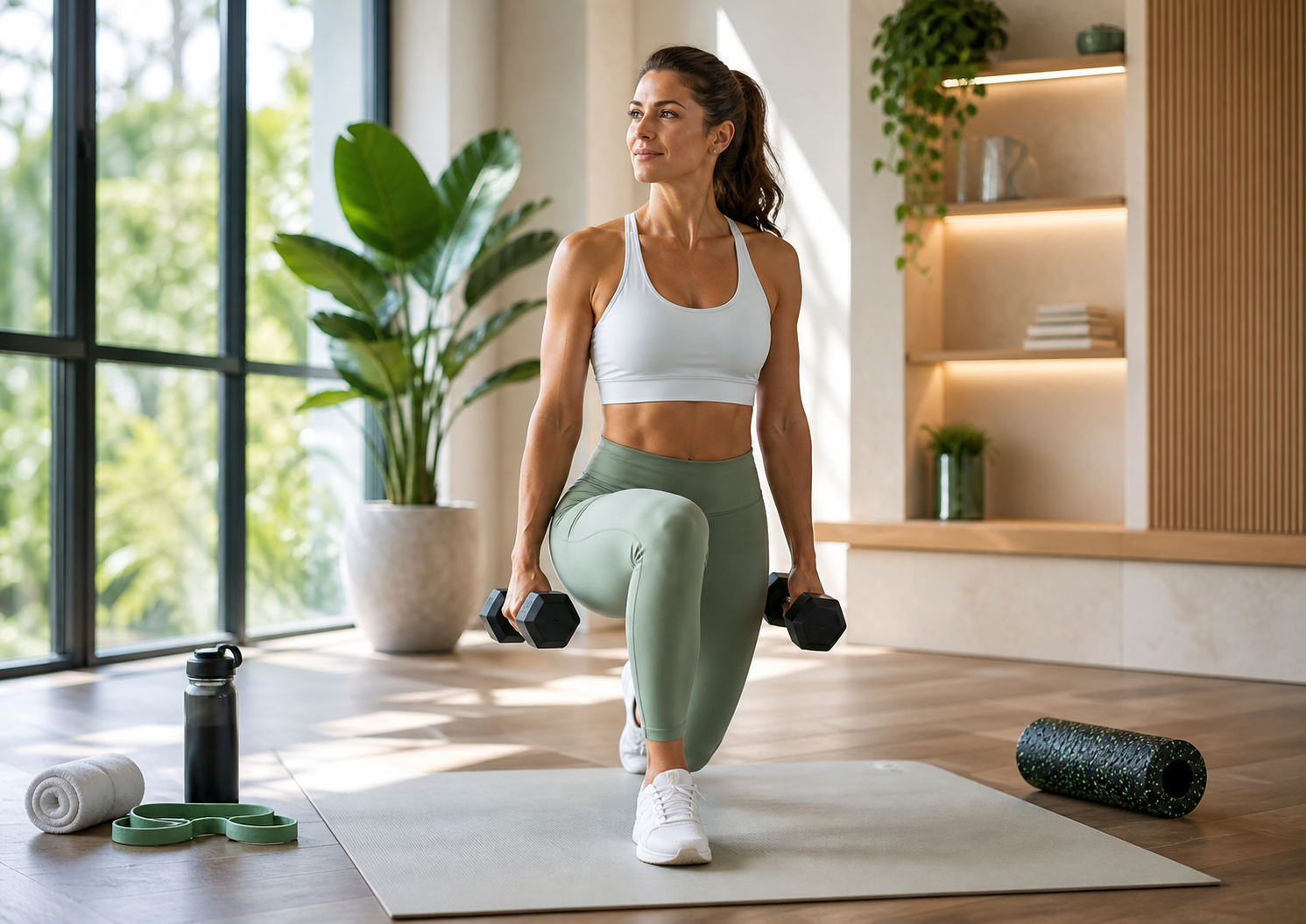
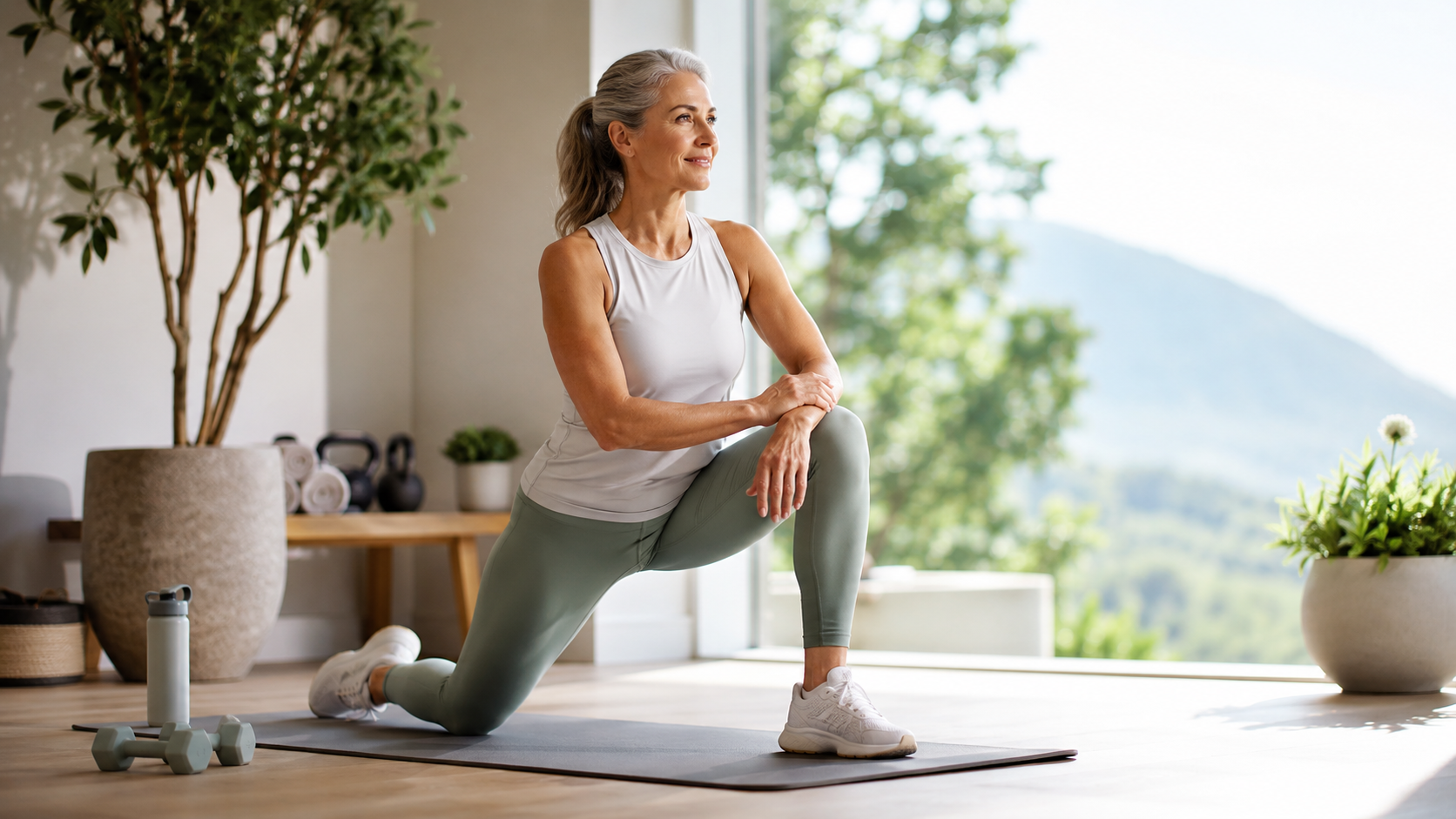
Fitness for longevity is an approach to exercise that focuses on long-term physical health, not quick results. It combines strength training, cardiovascular movement, mobility work, balance, flexibility, recovery, and consistency.
The goal is not to train harder every day. The goal is to train in a way that helps the body stay capable for life.
This includes being able to walk comfortably, climb stairs, carry groceries, maintain posture, protect joints, support heart health, preserve muscle, reduce stiffness, and recover properly between workouts.
In simple words, longevity fitness is about building a body that can support your life — not just your mirror.
Why Extreme Workouts Are Losing Their Appeal
Extreme workouts can feel exciting, but they are not always sustainable. Many people start strong, push too hard, feel exhausted, and then stop completely. This cycle creates frustration and can make fitness feel like punishment.
The new generation of fitness is more balanced. People want workouts that fit into real life, improve energy, reduce stress, and support both physical and mental well-being.
That is why low-impact workouts, strength training, Pilates, walking, mobility routines, recovery sessions, and wearable-guided training are becoming more popular. NASM’s 2026 fitness trend outlook also highlights longevity strength, recovery, inclusivity, hybrid training, AI tools, and wearables as important directions in the fitness industry.
The 5 Pillars of Longevity Fitness
1. Strength Training: The Foundation of Healthy Aging
Strength training is one of the most important parts of fitness for longevity. It helps maintain muscle, supports joints, improves posture, protects bone health, and makes everyday movements easier.
This does not mean you need to lift heavy weights every day. Strength training can include dumbbells, resistance bands, machines, bodyweight exercises, or functional movements such as squats, lunges, rows, and push movements.
The World Health Organization recommends muscle-strengthening activities involving major muscle groups on two or more days per week for adults.
A simple strength routine can include:
- Squats or sit-to-stand movements
- Glute bridges
- Rows
- Wall push-ups or push-ups
- Deadlifts with light weights
- Core stability exercises
The key is consistency, control, and safe progression.
2. Mobility: Moving Better, Not Just More
Mobility is the ability to move your joints through a healthy range of motion with control. It is different from flexibility. Flexibility is about muscle length, while mobility is about movement quality.
Mobility training helps reduce stiffness, improve posture, support better exercise technique, and make daily movement feel easier.
Examples of mobility exercises include hip circles, shoulder rotations, ankle mobility drills, cat-cow stretches, thoracic spine rotations, and controlled deep breathing movements.
For people who sit for long hours, mobility is especially important. It helps counter the effects of desk work, phone posture, and low daily movement.
3. Balance and Core Strength: The Underrated Fitness Trend
Balance and core training are becoming more important because they improve stability, coordination, and movement control. ACSM listed “Balance, Flow and Core Strength” among the top fitness trends for 2026, showing that the industry is moving beyond simple aesthetics and toward functional movement.
Core strength is not just about abs. It includes the muscles that support the spine, pelvis, posture, and movement. A strong core helps you lift, walk, rotate, and exercise with better control.
Simple balance and core exercises include:
- Standing on one leg
- Bird-dog exercise
- Dead bug exercise
- Side plank
- Farmer’s carry
- Slow controlled lunges
These exercises may look simple, but they are powerful for long-term body control.
4. Cardio for Heart Health and Energy
Cardio is still important, but the way people approach it is changing. It does not always have to be intense running or exhausting HIIT sessions. Brisk walking, cycling, swimming, dancing, hiking, or low-impact cardio can all support heart health and endurance.
The CDC recommends adults get either 150 minutes of moderate-intensity aerobic activity per week, 75 minutes of vigorous activity, or an equivalent combination, along with strength training on two or more days per week.
For many people, walking is one of the easiest ways to start. It is accessible, low-impact, and easy to maintain. A daily walk can support cardiovascular fitness, mood, energy, and general wellness.
5. Recovery: The Missing Piece of Progress
Recovery is no longer seen as laziness. It is now recognized as an essential part of fitness.
When you exercise, your body needs time to adapt. Without enough recovery, people may feel constantly tired, sore, unmotivated, or at higher risk of poor performance.
Recovery can include sleep, hydration, stretching, mobility, rest days, breathing exercises, light walking, massage, or simply reducing workout intensity when needed.
A smart fitness routine should include both effort and recovery. Progress comes from the balance between training and repair.
Why Wearables Are Changing Fitness
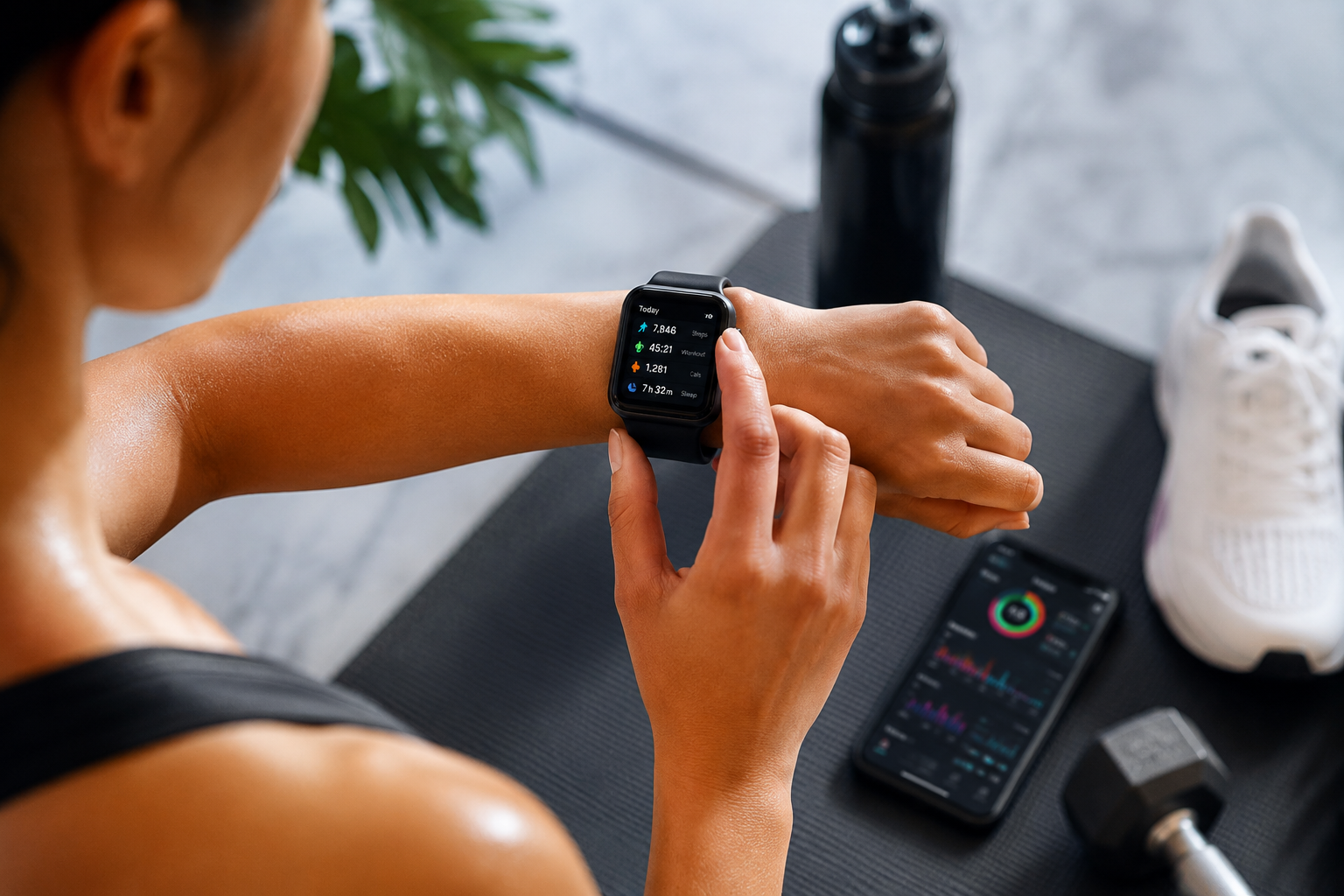
Smartwatches and fitness trackers have made people more aware of their steps, heart rate, sleep, recovery, and activity levels. ACSM ranked wearable technology as the top fitness trend for 2026.
Wearables can help people understand their habits better, but they should not create pressure or obsession. The goal is to use data as guidance, not judgment.
Useful things to track include:
- Daily steps
- Sleep duration
- Resting heart rate
- Workout consistency
- Recovery trends
- Movement reminders
The best wearable is not the most expensive one. It is the one that helps you become more aware and consistent.
A Simple Longevity Fitness Weekly Routine
A balanced weekly routine does not need to be complicated. Here is a simple example:
Monday: Strength training
Tuesday: Walking + mobility
Wednesday: Strength training
Thursday: Light cardio or Pilates
Friday: Strength training or functional training
Saturday: Long walk, cycling, swimming, or outdoor activity
Sunday: Recovery, stretching, and rest
This type of routine supports strength, heart health, flexibility, recovery, and consistency without extreme pressure.
The Mindset Shift: From “Burn Calories” to “Build Capacity”
One of the biggest changes in modern fitness is the mindset. Fitness is no longer only about burning calories or chasing a certain body type. It is about building capacity.
Capacity means having more energy, better posture, stronger muscles, healthier joints, better balance, and more confidence in daily movement.
This is a healthier and more sustainable way to view fitness. It moves the focus from punishment to self-care.
Instead of asking, “How much did I burn today?” ask:
Did I move today?
Did I build strength?
Did I support my recovery?
Did I do something my future body will thank me for?
Who Can Benefit from Longevity Fitness?
Almost everyone can benefit from this approach. Beginners can use it to start safely. Busy professionals can use it to stay active without burnout. Older adults can use it to maintain independence and strength. Athletes can use it to improve recovery and reduce overtraining.
The beauty of longevity fitness is that it can be adapted to different ages, schedules, and fitness levels.
It is not about perfection. It is about building a lifestyle that you can maintain.
Final thoughts
Fitness for longevity is more than a trend. It is a smarter way to think about movement, health, and the future.
The best workout is not always the hardest one. It is the one that helps you become stronger, more mobile, more energized, and more consistent over time.
In 2026, the future of fitness is not about doing more until your body breaks down. It is about training with intention, respecting recovery, and building a body that supports your life for years to come.
Fitness is not only about how you look today. It is about how well you live tomorrow.
FAQ
1. What is fitness for longevity?
Fitness for longevity is a long-term approach to exercise that focuses on strength, mobility, balance, cardiovascular health, recovery, and sustainable movement habits.
2. Is strength training important for longevity?
Yes. Strength training helps maintain muscle, support joints, improve posture, and make daily activities easier. WHO recommends muscle-strengthening activities on at least two days per week for adults.
3. Do I need intense workouts to stay fit?
No. A balanced routine with strength training, walking, mobility, cardio, and recovery can be highly effective. Consistency matters more than intensity for most people.
4. What is the best exercise for longevity?
There is no single best exercise. A combination of strength training, walking or cardio, mobility work, balance training, and recovery is usually the best approach.
5. How many days a week should I exercise?
Many adults benefit from moving most days of the week, with at least two days of strength training and regular aerobic activity. The CDC recommends 150 minutes of moderate-intensity aerobic activity per week plus strength training on two or more days.
References
World Health Organization
Physical Activity Fact Sheet.
WHO highlights that adults should do regular physical activity, limit sedentary time, and include muscle-strengthening activities for health benefits.
Centers for Disease Control and Prevention
Adult Activity: An Overview.
CDC recommends at least 150 minutes of moderate-intensity physical activity per week, plus 2 days of muscle-strengthening activity.
American College of Sports Medicine
The Future of Fitness: ACSM Announces Top Trends for 2026.
ACSM identifies key fitness trends for 2026, including wearable technology, fitness programs for older adults, balance training, and core strength.
American Heart Association
American Heart Association Recommendations for Physical Activity in Adults.
AHA recommends 150 minutes per week of moderate-intensity aerobic activity or 75 minutes of vigorous activity, plus muscle-strengthening activity at least 2 days per week.
British Journal of Sports Medicine
World Health Organization 2020 Guidelines on Physical Activity and Sedentary Behaviour.
The guidelines recommend regular aerobic activity, muscle-strengthening exercises, and reducing sedentary behaviour across adult populations.
About the Author
Dr. Suleiman Atieh is a pharmacist and founder of إلَيَّ, with a strong passion for healthcare marketing, brand strategy, and business development. He focuses on building meaningful healthcare brands that connect science, market needs, and modern communication.
Dr. Suleiman Atieh
Founder