

High Protein Nutrition Beyond the Gym: Why Protein Matters
- May 16, 2026
- Nutrition & Vitamins
For years, protein was marketed mainly to athletes, bodybuilders, and gym-goers. Today, that has changed. High-protein nutrition has moved into the mainstream because protein plays an important role in daily health, not just sports performance. It helps build and maintain body tissues, supports muscle health, and can contribute to fullness and better meal balance.

Dr. Suleiman Atieh
Founder
Dr. Suleiman Atieh is a pharmacist and founder of إلَيَّ, with a strong passion for healthcare marketing, brand strategy, and business development. He focuses on building meaningful healthcare brands that connect science, market needs, and modern communication.
Reviewed by Celine Abdallah
Last updated: March 20, 2026
Table of Contents
This article is for educational purposes only and is not a substitute for professional medical advice.
Why protein matters beyond fitness
The reason protein is trending outside fitness culture is simple: people want food that does more than just fill a plate. They want meals that support energy, fullness, healthy aging, and practical nutrition habits. Current dietary guidance also emphasizes including a variety of protein foods from both animal and plant sources as part of an overall healthy eating pattern.
High-protein eating is no longer about chasing a bodybuilding goal. It is now part of a broader lifestyle conversation around feeling better, eating smarter, and supporting health over time.
What protein does in the body
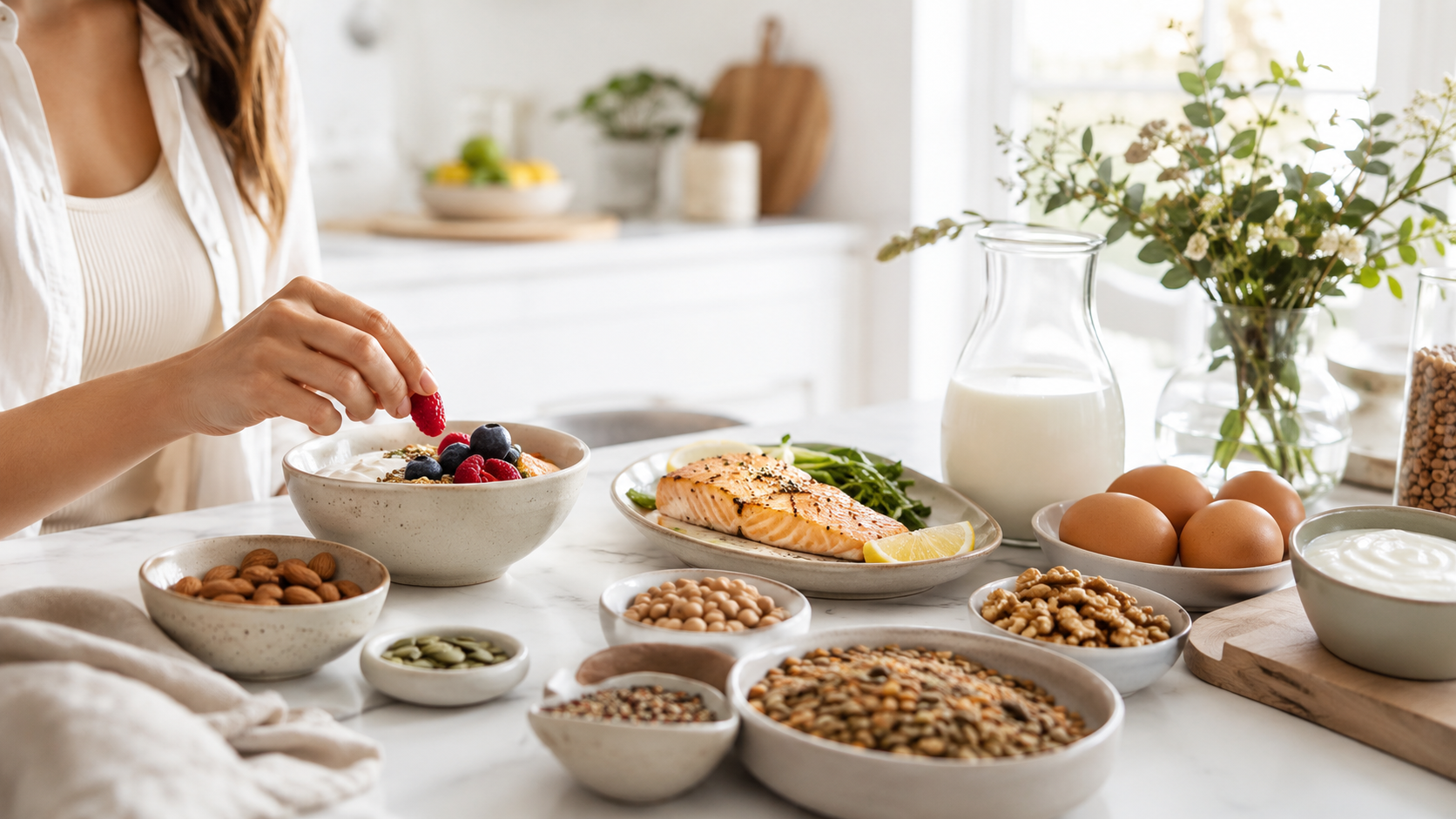
Protein provides amino acids, including the essential amino acids the body cannot make on its own. These amino acids are needed to build and maintain muscles, skin, and other tissues, and they also support many vital body functions.
This matters whether someone exercises regularly or not. The body constantly repairs and renews itself, so protein remains important even in a normal day-to-day routine.
Benefits of protein for everyday health
1. It can help you feel fuller
Protein generally increases satiety more than carbohydrate or fat, which is one reason it is often discussed in weight-management and appetite-control strategies.
2. It supports muscle maintenance, not just muscle gain
Muscle health is important for movement, strength, and physical function throughout life. Research on aging adults shows protein intake is closely linked to preserving muscle mass, and some reviews suggest older adults may benefit from intakes above the basic adult RDA, depending on health status and clinical guidance.
3. It fits healthy aging goals
As we age, maintaining muscle and function becomes increasingly important. Reviews on older populations note that adequate protein intake can help support musculoskeletal health and reduce the risk of sarcopenia.
4. It can improve meal quality
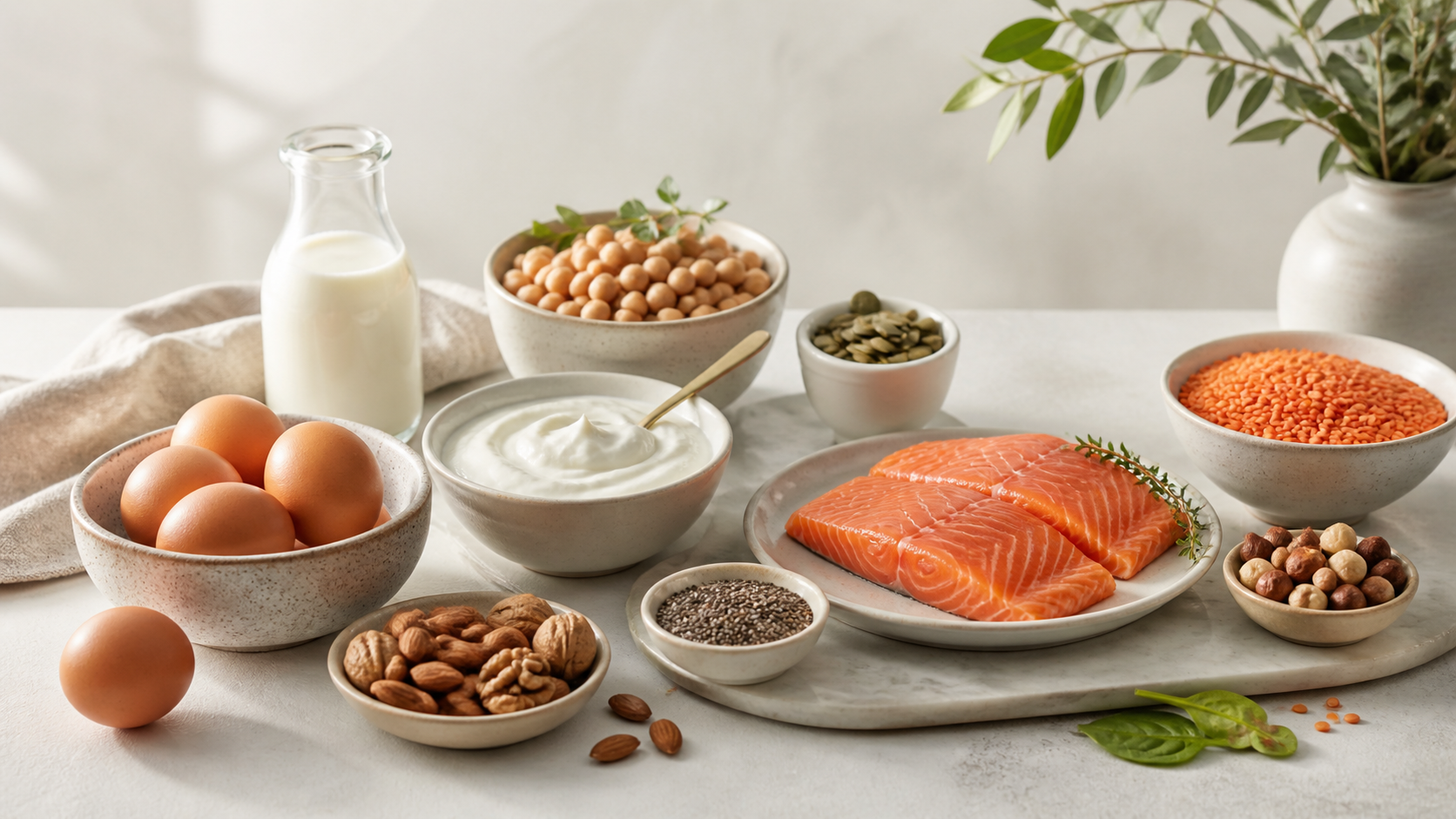
Protein-rich foods often come packaged with other valuable nutrients, especially when they come from minimally processed sources like eggs, dairy, legumes, fish, soy foods, nuts, and seeds. U.S. dietary guidance encourages variety across these sources rather than relying on a single type of protein food.
Highlight box
Why this matters:
Protein is no longer a niche sports topic. It is now a practical nutrition topic linked to satiety, muscle maintenance, meal balance, and healthy aging.
Best everyday protein sources
A strong protein routine does not have to depend on sports supplements. For most people, everyday foods can do the job well.
Good options include:
- Eggs
- Greek yogurt
- Milk and cheese
- Chicken and fish
- Beans and lentils
- Chickpeas
- Tofu and soy foods
- Nuts and seeds
Nutrition guidance also supports including both plant and animal protein sources in a balanced pattern.
Simple ways to add more protein
Start with breakfast
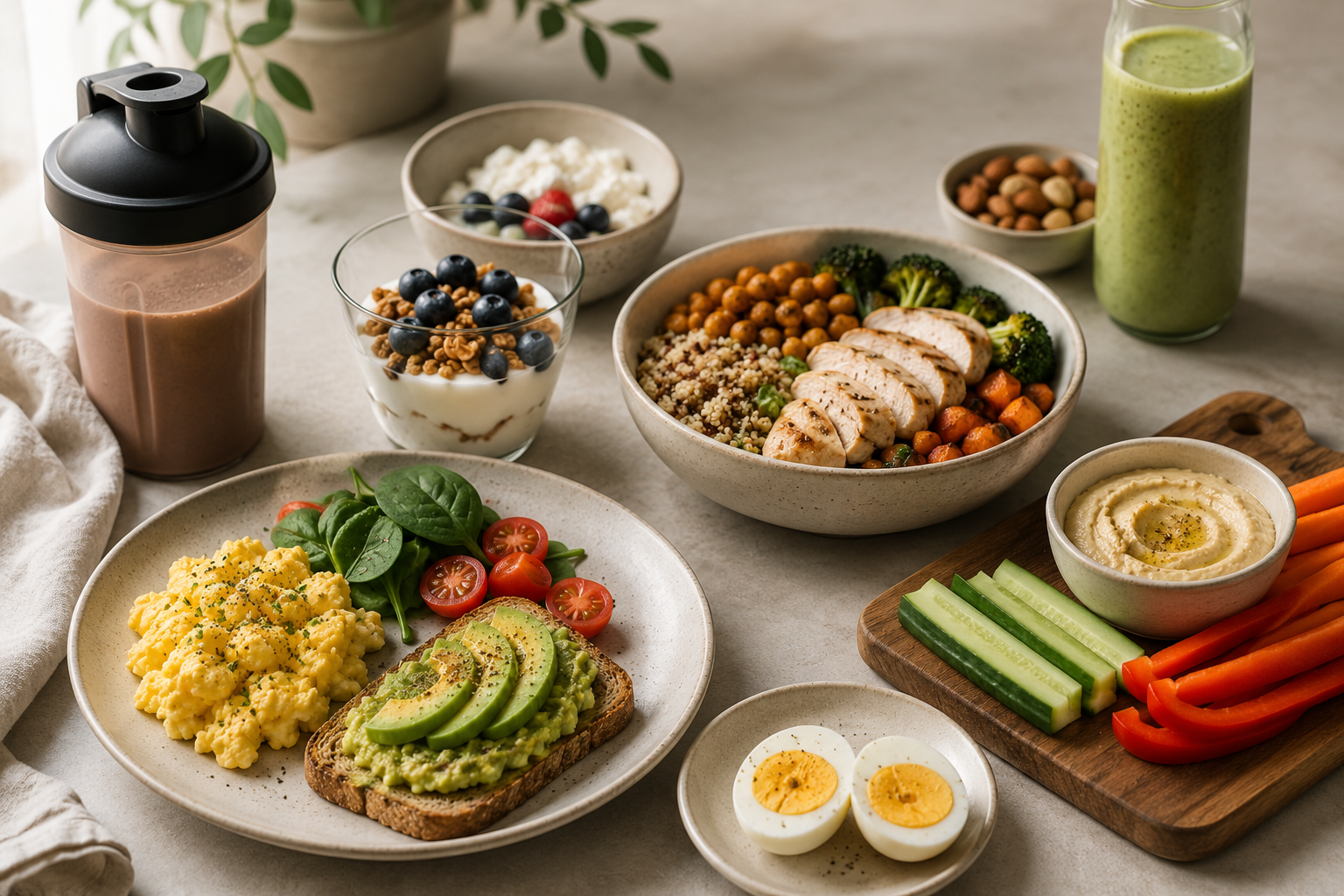
A protein-containing breakfast such as eggs, Greek yogurt, or milk with oats may help support fullness earlier in the day. Evidence on higher-protein meals suggests better appetite control compared with lower-protein patterns.
Balance your snacks
Choosing yogurt, nuts, cheese, roasted chickpeas, or other protein-containing snacks can make daily eating more satisfying.
Include protein in each main meal
Spreading protein across the day may be a more practical approach than leaving most of it for dinner, especially when the goal is satiety and muscle support.
Keep it realistic
You do not need to eat like an athlete to benefit from protein. The goal is simply to make protein a regular part of balanced meals.
Is more always better?
Not necessarily. Protein is essential, but balance still matters. The American Heart Association notes the adult RDA is 0.8 g/kg/day, while actual needs can vary by age, health status, and life stage. Some people, especially those with certain medical conditions, should get individualized advice before making major changes to protein intake.
A smart approach is to focus on quality, variety, and consistency rather than chasing extremes.
Final thoughts
- Protein is important for everyone, not just athletes.
- It supports satiety, muscle maintenance, and overall meal quality.
- Everyday protein can come from both animal and plant foods.
- Protein becomes especially important in the context of healthy aging.
- A balanced, realistic routine matters more than extreme intake.
FAQ
FAQ 1: Is protein only important for athletes?
No. Protein is essential for everyone because it helps support muscle maintenance, tissue repair, immune function, and overall daily wellness.
FAQ 2: Can high-protein nutrition help with weight management?
Protein may help increase satiety, which can support better appetite control and more balanced eating habits throughout the day.
FAQ 3: What are easy ways to eat more protein?
Simple options include eggs, Greek yogurt, milk, cheese, chicken, fish, lentils, beans, chickpeas, tofu, nuts, and seeds.
FAQ 4: Are plant-based proteins good enough?
Yes. Plant-based proteins such as lentils, beans, chickpeas, tofu, tempeh, quinoa, nuts, and seeds can be excellent for a balanced diet, especially when eaten in variety.
References
- National Library of Medicine. (n.d.). Dietary proteins. https://medlineplus.gov/dietaryproteins.html?
- National Academies Press (US). (1989). Protein. Diet and Health – NCBI Bookshelf. https://www.ncbi.nlm.nih.gov/books/NBK218739/?
- American Heart Association. (2024, August 28). Protein: What’s Enough? www.heart.org. https://www.heart.org/en/healthy-living/healthy-eating/eat-smart/nutrition-basics/protein-and-heart-health?
- Proteins | Nutrition.gov. (n.d.). https://www.nutrition.gov/topics/whats-food/proteins?
- Dietary Guidelines for Americans | Food and Nutrition Service. (n.d.). https://www.fns.usda.gov/cnpp/dietary-guidelines-americans?
- Paddon-Jones D, Westman E, Mattes RD, Wolfe RR, Astrup A, Westerterp-Plantenga M. Protein, weight management, and satiety. Am J Clin Nutr. 2008 May;87(5):1558S-1561S. doi: 10.1093/ajcn/87.5.1558S. PMID: 18469287.
- Westerterp-Plantenga MS, Lemmens SG, Westerterp KR. Dietary protein – its role in satiety, energetics, weight loss and health. Br J Nutr. 2012 Aug;108 Suppl 2:S105-12. doi: 10.1017/S0007114512002589. PMID: 23107521.
- Putra C, Konow N, Gage M, York CG, Mangano KM. Protein Source and Muscle Health in Older Adults: A Literature Review. Nutrients. 2021 Feb 26;13(3):743. doi: 10.3390/nu13030743. PMID: 33652669; PMCID: PMC7996767.
- Paddon-Jones D, Rasmussen BB. Dietary protein recommendations and the prevention of sarcopenia. Curr Opin Clin Nutr Metab Care. 2009 Jan;12(1):86-90. doi: 10.1097/MCO.0b013e32831cef8b. PMID: 19057193; PMCID: PMC2760315.
About the Author
Dr. Suleiman Atieh is a pharmacist and founder of إلَيَّ, with a strong passion for healthcare marketing, brand strategy, and business development. He focuses on building meaningful healthcare brands that connect science, market needs, and modern communication.
Dr. Suleiman Atieh
Founder