

Vitamin D and Women’s Health: More Than Just Bone Support
- July 2, 2026
- Nutrition & Vitamins
Vitamin D is often called the “sunshine vitamin,” but its role in the body goes far beyond bone health.
For women, vitamin D may be especially important because it is linked to bones, muscles, immunity, pregnancy, hormonal health, and even mood. Low vitamin D levels are common in many parts of the world, especially among people who get limited sun exposure, wear covering clothing, have darker skin, spend most of the day indoors, or avoid fortified foods.
Still, vitamin D is not a magic supplement. It is an essential nutrient, but more is not always better. The goal is not to take the highest dose possible. The goal is to understand your body’s needs and support healthy levels safely.

Dr. Suleiman Atieh
Founder
Dr. Suleiman Atieh is a pharmacist and founder of إلَيَّ, with a strong passion for healthcare marketing, brand strategy, and business development. He focuses on building meaningful healthcare brands that connect science, market needs, and modern communication.
Reviewed by Celine Abdallah
Last updated: June 06, 2026
Table of Contents
This article is for educational purposes only and is not a substitute for professional medical advice.
What Is Vitamin D?
Vitamin D is a fat-soluble vitamin that helps the body absorb calcium and phosphorus, two minerals that are essential for strong bones and teeth. It also plays a role in muscle function, immune function, and normal cell activity.
There are two main forms of vitamin D:
Vitamin D2, which comes from some plant and fortified food sources.
Vitamin D3, which is made in the skin after sunlight exposure and is also found in some animal-based foods and supplements.
The body can make vitamin D when the skin is exposed to sunlight, but this process depends on many factors, including location, season, time of day, skin tone, sunscreen use, clothing, and how much time a person spends outdoors.
According to the NIH Office of Dietary Supplements, vitamin D promotes calcium absorption and helps maintain adequate calcium and phosphate levels, which are needed for normal bone mineralization. It also has roles in reducing inflammation and supporting immune, muscle, and nerve function.
Why Vitamin D Matters for Women
Vitamin D is important for everyone, but women may need to pay extra attention to it across different life stages.
During adolescence and early adulthood, vitamin D helps build bone mass. During reproductive years, it may be relevant to menstrual health, PMOS/PCOS, fertility, pregnancy, and immune function. During midlife and after menopause, vitamin D becomes especially important because bone density naturally declines, and the risk of osteoporosis increases.
Women may also be more likely to notice symptoms that overlap with vitamin D deficiency, such as fatigue, low mood, muscle aches, and weakness. These symptoms can have many causes, so testing and medical guidance matter.
Vitamin D and Bone Health
This is the most famous role of vitamin D, and it is still one of the most important.
Vitamin D helps the body absorb calcium from food. Without enough vitamin D, the body cannot use calcium properly, even if the diet contains enough of it. Over time, low vitamin D can contribute to weaker bones.
For women, this matters because bone health is not only an older-age concern. Bone density is built earlier in life, and protecting it before menopause can reduce future risk.
After menopause, lower estrogen levels can speed up bone loss. That makes vitamin D, calcium, resistance exercise, and medical screening important parts of long-term women’s health.
Vitamin D and Muscle Function
Vitamin D also supports muscle function. Low vitamin D may be linked with muscle weakness, body aches, and reduced physical performance in some people.
This matters because strong muscles help support posture, balance, mobility, and bone protection. In women, especially as they age, muscle strength becomes a major part of healthy aging.
Vitamin D is not a replacement for exercise, protein, or medical care, but maintaining healthy levels may support better muscle function as part of a complete lifestyle.
Vitamin D and Immunity
Vitamin D plays a role in immune system regulation. This does not mean vitamin D “boosts” immunity in a simple way, but it helps support normal immune function.
The immune system needs balance. Too little activity can increase vulnerability to infections, while too much or misdirected activity can contribute to inflammation. Vitamin D is one of the nutrients involved in this balance.
The NIH notes that vitamin D has roles in immune function and reducing inflammation.
For women who often feel run down or get recurrent infections, vitamin D status may be one of several factors worth discussing with a healthcare professional.
Vitamin D and Mood
Vitamin D receptors are found in areas of the brain, and low vitamin D levels have been studied in relation to mood and depressive symptoms.
However, this does not mean vitamin D is a treatment for depression. Mood is complex and can be affected by stress, sleep, hormones, life events, nutrition, medical conditions, and mental health disorders.
The most balanced message is this: low vitamin D may be one possible contributor to low mood or fatigue in some people, and correcting deficiency may help overall wellbeing. But persistent sadness, anxiety, loss of interest, or emotional distress should be discussed with a qualified healthcare professional.
Vitamin D and PMOS/PCOS
Vitamin D has gained attention in women with PMOS, commonly known as PCOS, because deficiency appears to be common in this group and may be related to insulin resistance, hormones, ovulation, and fertility outcomes.
A 2023 review reported that vitamin D supplementation in PCOS was associated with improvements in menstrual periods, follicle development, and testosterone levels, possibly through effects on insulin resistance.
A 2024 study also reported that vitamin D deficiency is common in patients with PCOS and that vitamin D-deficient patients with PCOS had lower pregnancy rates after ovulation induction compared with non-deficient patients. The study found that supplementation improved pregnancy rate and helped mitigate some hormone-related disturbances.
This is promising, but it does not mean vitamin D alone treats PMOS/PCOS. It may be one supportive factor within a full care plan that may include nutrition, movement, sleep, stress management, medical follow-up, and sometimes medication.
Vitamin D and Pregnancy
Vitamin D is important during pregnancy for both maternal and fetal health. It supports calcium balance and bone development, and it may be relevant to pregnancy outcomes.
ACOG states that there is insufficient evidence to recommend screening all pregnant women for vitamin D deficiency. However, for pregnant women thought to be at increased risk, serum 25-hydroxyvitamin D levels may be considered. When deficiency is identified during pregnancy, most experts agree that 1,000–2,000 IU per day of vitamin D is safe.
This is important because pregnancy is not the time for random high-dose supplementation. Vitamin D intake during pregnancy should be guided by a healthcare professional, especially if deficiency is suspected.
Signs of Vitamin D Deficiency
Vitamin D deficiency can be silent, meaning many people may not know they have it until a blood test is done. When symptoms occur, they may be general and easy to confuse with other issues.
Possible signs may include:
Fatigue
Muscle aches
Bone pain
Weakness
Low mood
Frequent illness
Hair shedding in some cases
These symptoms are not specific to vitamin D deficiency. They can also be linked to anemia, thyroid problems, stress, poor sleep, low protein intake, infections, or other medical conditions. That is why testing and proper assessment matter.
Who Is More at Risk of Low Vitamin D?
Some women may be more likely to have low vitamin D, including those who:
Spend most of the day indoors
Have limited sun exposure
Wear clothing that covers most of the skin
Have darker skin tone
Live in areas with long winters or low sunlight
Use strict sun avoidance
Have obesity
Have malabsorption conditions
Follow diets low in vitamin D sources
Are pregnant or breastfeeding
Take certain medications
Risk does not automatically mean deficiency, but it may be a reason to discuss testing with a healthcare professional.
Food Sources of Vitamin D
Vitamin D is not naturally found in many foods, which is one reason deficiency can be common.
Food sources include:
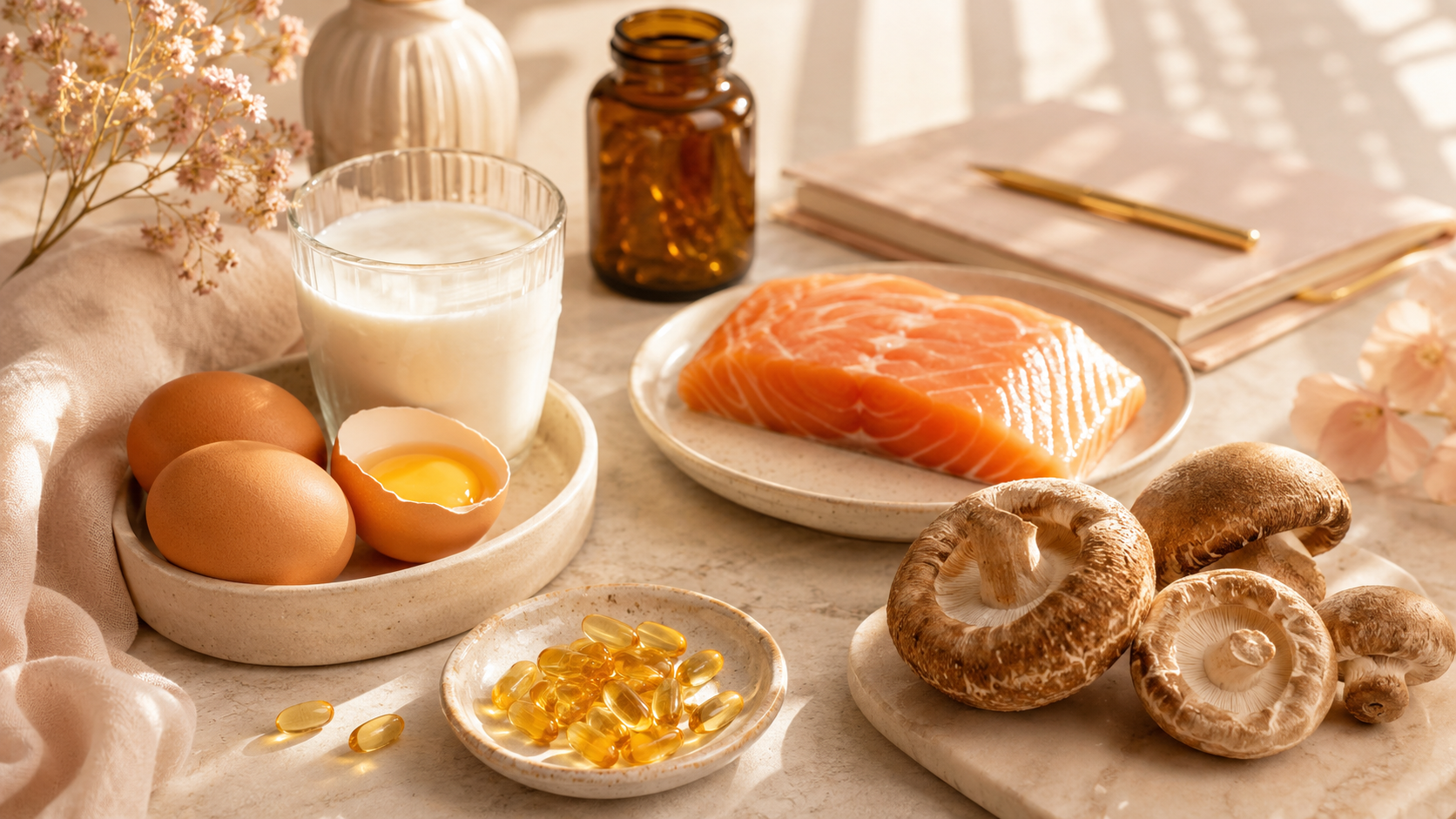
Fatty fish such as salmon, sardines, and tuna
Egg yolks
Fortified milk or plant-based milk
Fortified breakfast cereals
Fortified yogurt
Some mushrooms exposed to UV light
Diet can help, but for many people, food alone may not be enough to correct deficiency. This depends on baseline levels, sun exposure, absorption, and medical factors.
Sunlight and Vitamin D
Sunlight helps the skin produce vitamin D, but safe sun exposure is complicated.
Too little sun can contribute to low vitamin D, while too much sun increases the risk of sunburn, premature skin aging, and skin cancer. Sunscreen is still important for skin protection, especially during strong sun hours.
The right balance depends on skin tone, location, season, and lifestyle. Instead of intentionally getting sunburned or spending long hours in the sun, it is better to discuss vitamin D testing and supplementation when needed.
Should Women Take Vitamin D Supplements?
Some women may benefit from vitamin D supplements, especially if they have deficiency, limited sun exposure, pregnancy-related needs, or other risk factors.
However, routine supplementation is not always necessary for every healthy adult. The Endocrine Society’s 2024 vitamin D guideline focuses on vitamin D for prevention of disease and highlights that recommendations depend on age, pregnancy status, and specific risk groups.
The key message is simple: supplementation should match the person’s needs. Too little can be a problem, but too much can also be harmful.
Can Too Much Vitamin D Be Harmful?
Yes. Vitamin D is fat-soluble, meaning the body can store it. Taking very high doses for long periods can lead to toxicity.
Vitamin D toxicity can cause high calcium levels in the blood, which may lead to nausea, vomiting, weakness, frequent urination, kidney problems, and other complications.
This is why high-dose vitamin D should not be taken without medical guidance. Supplements should be used carefully, especially when combined with multivitamins or other products that already contain vitamin D.
Final Thoughts
Vitamin D is much more than a bone vitamin. For women, it may play a role in bone strength, muscle function, immunity, pregnancy, PMOS/PCOS, and overall wellbeing.
But the message should stay realistic. Vitamin D is essential, yet it is not a cure-all. The best approach is to understand your risk, check levels when needed, get nutrients from food and safe habits, and use supplements wisely.
For women’s health, vitamin D deserves attention not because it is trendy, but because it supports the body in many quiet but important ways.
FAQ
1. Why is vitamin D important for women?
Vitamin D supports calcium absorption, bone strength, muscle function, immune health, and may also play a role in pregnancy, PMOS/PCOS, and mood.
2. What are signs of vitamin D deficiency in women?
Possible signs include fatigue, muscle aches, bone pain, weakness, low mood, and frequent illness. These symptoms can have many causes, so a blood test is needed to confirm deficiency.
3. Can vitamin D help with PMOS/PCOS?
Vitamin D may support some metabolic and reproductive aspects of PMOS/PCOS, especially in women who are deficient. However, it is not a standalone treatment.
4. Is vitamin D good during pregnancy?
Vitamin D is important during pregnancy, but supplementation should be guided by a healthcare professional. ACOG notes that when deficiency is identified, many experts consider 1,000–2,000 IU per day safe during pregnancy.
5. Can vitamin D improve mood?
Low vitamin D may be linked with low mood in some people, but vitamin D is not a treatment for depression. Persistent mood symptoms should be discussed with a healthcare professional.
6. What foods contain vitamin D?
Vitamin D can be found in fatty fish, egg yolks, fortified milk, fortified plant-based milk, fortified cereals, fortified yogurt, and some UV-exposed mushrooms.
7. Can too much vitamin D be dangerous?
Yes. Very high doses can cause vitamin D toxicity and high calcium levels. Supplements should be used carefully, especially high-dose products.
References
- NIH Office of Dietary Supplements — Vitamin D Fact Sheet.
- ACOG — Vitamin D Screening and Supplementation During Pregnancy.
- Endocrine Society — 2024 Vitamin D for the Prevention of Disease Guideline.
- Mohan A. et al. Vitamin D and Polycystic Ovary Syndrome: A Review.
- Piao C. et al. Effect of Vitamin D on Pregnancy in Women with PCOS.
- MotherToBaby / NCBI Bookshelf — Vitamin D Fact Sheet.
About the Author
Dr. Suleiman Atieh is a pharmacist and founder of إلَيَّ, with a strong passion for healthcare marketing, brand strategy, and business development. He focuses on building meaningful healthcare brands that connect science, market needs, and modern communication.
Dr. Suleiman Atieh
Founder