

Period Pain or Endometriosis? How to Know the Difference
- July 13, 2026
- Women’s Health
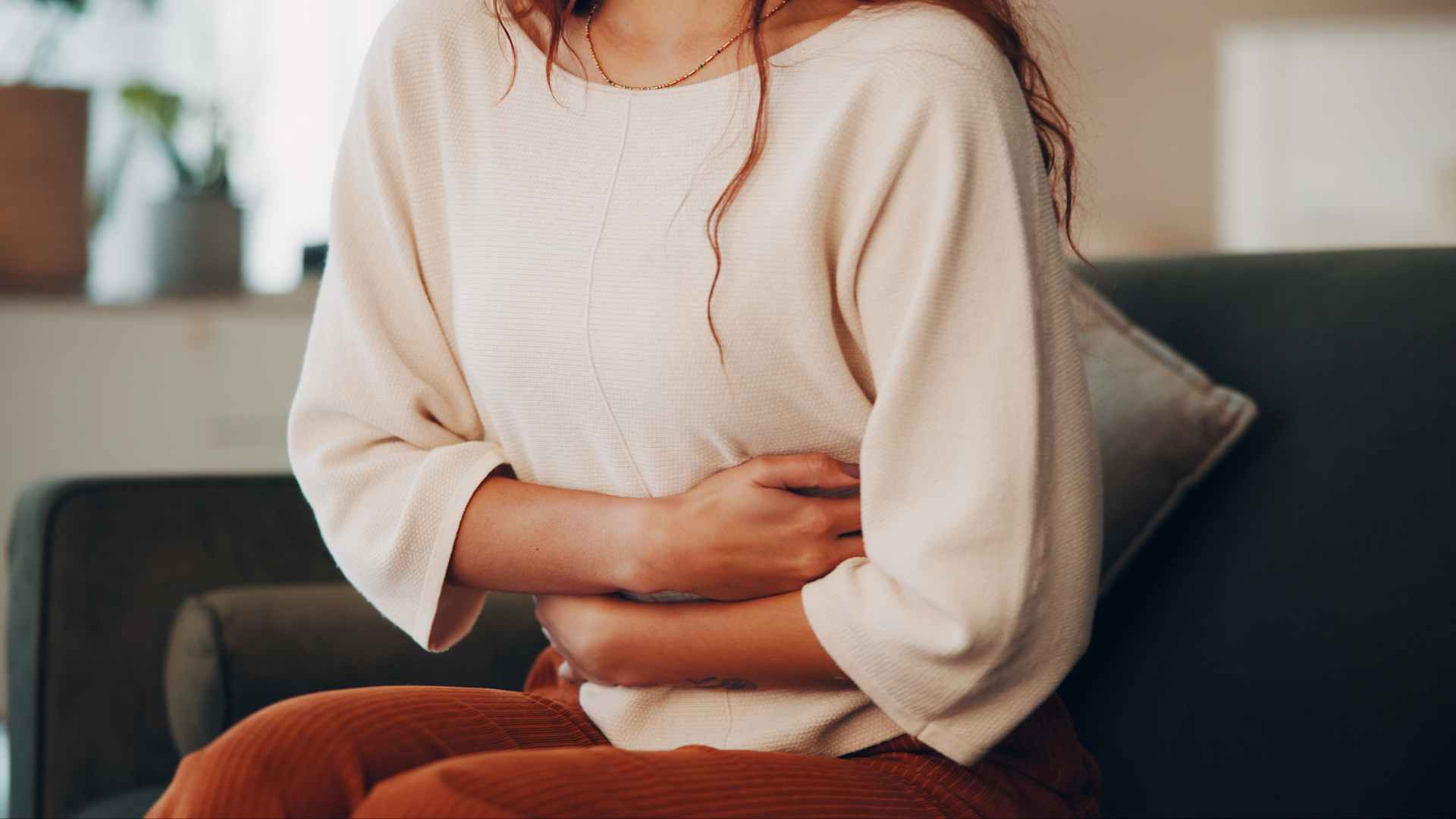
Period pain is common, but severe pain should never be dismissed as “just part of being a woman.” Many women experience cramps during their period, especially in the first days of bleeding. For some, the pain is mild and improves with rest, heat, or over-the-counter pain relief. For others, the pain is intense, long-lasting, or affects school, work, sleep, relationships, and daily life.
One possible cause of severe period pain is endometriosis. Endometriosis is a chronic inflammatory condition where tissue similar to the lining of the uterus grows outside the uterus. It can cause severe menstrual pain, chronic pelvic pain, pain during sex, bowel or bladder pain, heavy bleeding, bloating, fatigue, and difficulty getting pregnant. The World Health Organization estimates that endometriosis affects around 10% of reproductive-age women and girls worldwide, or about 190 million people.
The challenge is that normal period cramps and endometriosis pain can sometimes feel similar at first. The difference is usually in the pattern, severity, timing, associated symptoms, and impact on daily life.

Dr. Suleiman Atieh
Founder
Dr. Suleiman Atieh is a pharmacist and founder of إلَيَّ, with a strong passion for healthcare marketing, brand strategy, and business development. He focuses on building meaningful healthcare brands that connect science, market needs, and modern communication.
Reviewed by Celine Abdallah
Last updated: June 13, 2026
Table of Contents
This article is for educational purposes only and is not a substitute for professional medical advice.
What Is Normal Period Pain?
Normal period pain is often called primary dysmenorrhea. It happens because the uterus contracts during menstruation. These contractions are influenced by natural chemicals called prostaglandins, which help the uterus shed its lining.
Typical period cramps often:
- Start shortly before or at the beginning of bleeding
- Last 1 to 3 days
- Feel like cramping in the lower abdomen
- May spread to the lower back or thighs
- Improve with heat, rest, movement, or pain relief
- Do not usually worsen month after month
- Do not usually cause pain outside the period
Mild to moderate cramps can be common. But pain that is severe, progressive, or disabling should not be treated as normal.
What Is Endometriosis?
Endometriosis is a chronic condition in which tissue similar to the uterine lining grows outside the uterus. This tissue can cause inflammation, scarring, adhesions, and pain. It most commonly affects the pelvis, but it may also occur in other areas of the body.
ACOG describes endometriosis as a condition where endometrial-like tissue exists outside the uterus, and notes that its most common symptom is chronic pelvic pain, especially before and during menstruation.
Endometriosis is not simply “bad cramps.” It can affect daily functioning, fertility, digestion, urination, emotional wellbeing, and quality of life.
Period Pain vs Endometriosis: The Main Difference
The simplest difference is this:
Normal period pain usually happens mainly during the period and improves with simple measures. Endometriosis pain is often more severe, may start before the period, may continue after bleeding ends, and may come with other pelvic, bowel, bladder, or fertility symptoms.
Mayo Clinic notes that while many people have menstrual cramping, endometriosis pain is often much worse than typical cramps and may increase over time.
Signs It May Be Normal Period Pain
Period pain may be more likely to be typical menstrual cramps if:
- Pain starts around the beginning of the period
- Pain lasts only 1 to 3 days
- Pain improves with heat, rest, or pain relief
- Pain does not stop normal daily activities
- There is no pain between periods
- There is no pain during bowel movements, urination, or sex
- Symptoms are not getting worse over time
Even if pain seems “normal,” it is still valid to seek help if it bothers you or affects your routine.
Signs It May Be Endometriosis
Endometriosis may be more likely if you experience:
- Severe period pain that affects daily life
- Pain that starts before the period and continues during or after it
- Pelvic pain between periods
- Pain during or after sex
- Pain during bowel movements, especially around your period
- Pain when urinating, especially around your period
- Heavy menstrual bleeding
- Bloating, nausea, constipation, or diarrhea around your period
- Fatigue that worsens during your cycle
- Difficulty getting pregnant
- Pain that does not improve enough with usual pain relief
- Symptoms that worsen over time
The NHS lists symptoms of endometriosis as period pain that stops normal activities, pelvic pain, pain during or after sex, pain when peeing or pooing during a period, nausea, constipation, diarrhea, blood in urine or stool during a period, and difficulty getting pregnant.
Why Endometriosis Is Often Missed
Endometriosis is often missed because period pain is frequently normalized. Many women are told that painful periods are expected, even when the pain is severe or disabling.
Symptoms can also overlap with other conditions, such as:
- Irritable bowel syndrome
- Urinary tract problems
- Ovarian cysts
- Pelvic inflammatory disease
- Fibroids
- Adenomyosis
- PMOS/PCOS
- Musculoskeletal pain
Another reason diagnosis can be delayed is that symptoms do not always match the severity of the disease. Some people with extensive endometriosis may have mild symptoms, while others with smaller lesions may have severe pain.
ACOG’s 2026 clinical guidance announcement highlights that endometriosis-associated pain can be severe and debilitating and may affect many areas of life.
Can Teenagers Have Endometriosis?
Yes. Endometriosis can affect teenagers and young women. Severe period pain in adolescence should not be ignored, especially if it causes missed school, vomiting, faintness, severe pelvic pain, or pain that does not improve with usual treatment.
Pain that is intense from the first years of menstruation may still need evaluation. Early support can reduce years of suffering and help manage symptoms sooner.
When Should You See a Doctor?
You should consider speaking with a healthcare professional if:
- Period pain stops you from normal activities
- Pain causes missed school, work, or social plans
- Pain is getting worse over time
- Pain starts before bleeding and continues after the period
- You have pelvic pain between periods
- You have pain during or after sex
- You have pain when passing stool or urine during your period
- You have heavy bleeding or bleeding between periods
- You have nausea, bloating, constipation, or diarrhea that worsens during your cycle
- You have difficulty getting pregnant
- Pain relief is not helping enough
- You feel dismissed but symptoms continue
Pain that affects your life deserves medical attention, even if someone has told you it is “normal.”
How Is Endometriosis Diagnosed?
Endometriosis diagnosis usually begins with a detailed medical history and symptom review. A doctor may ask about your period pattern, pain timing, pain location, bowel and bladder symptoms, sexual pain, bleeding pattern, family history, and whether symptoms affect daily life.
Possible evaluation may include:
- Pelvic exam, depending on age and situation
- Ultrasound to check for ovarian cysts or other pelvic conditions
- MRI in selected cases, especially if deep endometriosis is suspected
- Trial of treatment based on symptoms
- Referral to a gynecologist or endometriosis specialist
- Laparoscopy in some cases
Mayo Clinic notes that diagnosis may involve pelvic exam, ultrasound, MRI, and sometimes laparoscopy. Treatment often involves medication first, with surgery considered if medication is not enough or depending on fertility goals and symptom severity.
Is Laparoscopy Always Needed?
Laparoscopy has historically been considered the definitive way to diagnose endometriosis because it allows doctors to see lesions directly and sometimes treat them during the same procedure. However, clinical approaches are evolving, and many guidelines now recognize that treatment may begin based on symptoms and imaging without waiting years for surgical confirmation.
This is especially important because diagnosis can be delayed when people are told to wait until symptoms become severe enough for surgery.
A healthcare professional can help decide whether imaging, treatment trial, referral, or surgery is appropriate.
What Treatments Can Help?
There is currently no cure for endometriosis, but treatment can help manage symptoms and improve quality of life. The NHS states that there are currently no treatments that cure endometriosis, but treatment can help manage symptoms such as pain.
Treatment depends on symptoms, age, fertility goals, severity, and personal preferences.
1. Pain Relief
Nonsteroidal anti-inflammatory drugs, such as ibuprofen or naproxen, may help some people with period pain. They work best when used as advised and started early in the pain pattern.
However, if pain relief does not help enough, that is a sign to seek medical advice.
2. Hormonal Treatment
Hormonal treatments may reduce or suppress periods and help reduce endometriosis-related pain for some people.
Options may include:
- Combined hormonal contraceptives
- Progestin-only pills
- Hormonal IUD
- Hormonal injections
- Hormonal implants
- GnRH-related medications in selected cases
Hormonal treatment is not suitable for everyone and should be discussed with a healthcare professional.
3. Surgery
Surgery may be considered when symptoms are severe, when medication is not enough, when endometriosis affects organs, or when fertility is a concern.
Surgery may involve removing or destroying endometriosis lesions and adhesions. Mayo Clinic notes that surgery becomes an option if medicine does not help enough, and treatment choices depend on symptoms and whether the person hopes to become pregnant.
4. Supportive Lifestyle Measures
Lifestyle changes cannot cure endometriosis, but they may help support symptom management.
Helpful measures may include:
- Heat therapy for cramps
- Gentle movement or stretching
- Stress management
- Sleep support
- Balanced meals
- Tracking symptoms
- Pelvic floor physiotherapy when appropriate
- Mental health support if chronic pain affects mood
Supportive care should be used alongside medical evaluation, not as a replacement when symptoms are severe.
What to Track Before Your Appointment
Tracking symptoms can help your doctor understand the pattern.
Record:
- Period dates
- Pain start date and end date
- Pain location
- Pain severity from 1 to 10
- Pain during bowel movements or urination
- Pain during or after sex
- Bleeding amount
- Clots
- Nausea, bloating, constipation, or diarrhea
- Fatigue
- Missed school, work, or activities
- Pain medication used and whether it helped
- Family history of endometriosis
A symptom diary can make it easier to explain what is happening and can help avoid your pain being minimized.
When Is Period Pain Urgent?
Seek urgent medical care if pelvic pain is sudden, severe, or different from your usual period pain, especially if it comes with:
- Fainting
- Fever
- Severe vomiting
- Shoulder-tip pain
- Heavy bleeding
- Dizziness or weakness
- Positive pregnancy test
- Severe one-sided pelvic pain
- Pain with a rigid or swollen abdomen
These symptoms may be caused by conditions other than endometriosis and need immediate assessment.
Final Thoughts
Period pain is common, but pain that controls your life is not something you should simply tolerate. Normal cramps usually happen around the start of bleeding, last a few days, and improve with basic care. Endometriosis pain is often more severe, may start before the period, may continue after it, and may come with pelvic pain, bowel or bladder symptoms, pain during sex, heavy bleeding, fatigue, or fertility problems.
The key difference is impact. If period pain stops you from living normally, keeps getting worse, or comes with other symptoms, it is worth checking.
You know your body. If something feels wrong, your pain deserves to be taken seriously.
FAQ
1. How do I know if my period pain is normal or endometriosis?
Normal period pain usually starts with bleeding, lasts a few days, and improves with heat or pain relief. Endometriosis pain is often more severe, may start before the period, continue after bleeding, occur between periods, or come with bowel, bladder, sexual pain, heavy bleeding, or fertility issues.
2. Is severe period pain normal?
Severe pain that stops daily activities is not something to ignore. The NHS lists period pain that stops normal activities as a symptom that can occur with endometriosis.
3. Can endometriosis cause pain outside the period?
Yes. Endometriosis can cause chronic pelvic pain, meaning pain that continues outside the menstrual period. WHO lists chronic pelvic pain as one of the symptoms of endometriosis.
4. Can endometriosis affect bowel movements?
Yes. Endometriosis can cause pain during bowel movements, especially around the period. ACOG notes that if endometriosis affects the bowel, pain may occur during bowel movements.
5. Can endometriosis affect urination?
Yes. If endometriosis affects the bladder, pain may happen during urination. ACOG lists pain during urination as a possible symptom when the bladder is affected.
6. Can endometriosis cause infertility?
Yes. Endometriosis can be associated with infertility. WHO lists infertility among symptoms and effects associated with endometriosis.
7. Can teenagers have endometriosis?
Yes. Teenagers can have endometriosis. Severe period pain that causes missed school, vomiting, faintness, or does not improve with usual treatment should be checked.
8. Is endometriosis curable?
There is currently no cure for endometriosis, but treatments can help manage symptoms and improve quality of life. The NHS states that treatment can help manage symptoms even though there is no current cure.
9. How is endometriosis diagnosed?
Diagnosis may involve symptom review, pelvic exam, ultrasound, MRI, treatment trials, specialist referral, and sometimes laparoscopy. Mayo Clinic lists pelvic exam, ultrasound, MRI, and laparoscopy among diagnostic approaches.
10. When should I see a doctor for period pain?
See a doctor if pain affects daily life, worsens over time, occurs outside your period, does not improve with pain relief, or comes with heavy bleeding, bowel or bladder pain, pain during sex, or difficulty getting pregnant.
References
- ACOG — Endometriosis
- NHS — Endometriosis
- Mayo Clinic — Endometriosis symptoms, diagnosis, and treatment
- World Health Organization — Endometriosis fact sheet
- ACOG — 2026 Endometriosis clinical guidance announcement
About the Author
Dr. Suleiman Atieh is a pharmacist and founder of إلَيَّ, with a strong passion for healthcare marketing, brand strategy, and business development. He focuses on building meaningful healthcare brands that connect science, market needs, and modern communication.
Dr. Suleiman Atieh
Founder