

How to Identify Your Skin Type
- June 23, 2026
- Beauty & Skin
Understanding your skin type can help you choose a skincare routine that suits your skin’s needs. It also makes it easier to select the right cleanser, moisturizer, sunscreen, and treatment products. Skin is commonly classified into five main types: dry, oily, combination, normal, and sensitive.

Dr. Esraa Radwan
Writer
A pharmacist and health content writer creating simple, evidence-based content across wellness, beauty, women’s health, nutrition, and lifestyle.
Reviewed by Dr. Suleiman Atieh
Last updated: June 06, 2026
Table of Contents
This article is for educational purposes only and is not a substitute for professional medical advice.
The Main Skin Types
1. Dry Skin
Dry skin produces less sebum, the natural oil that helps keep the skin lubricated. Because of this, dry skin may feel tight, rough, dull, flaky, or scaly, especially after cleansing or during cold weather.
2. Oily Skin
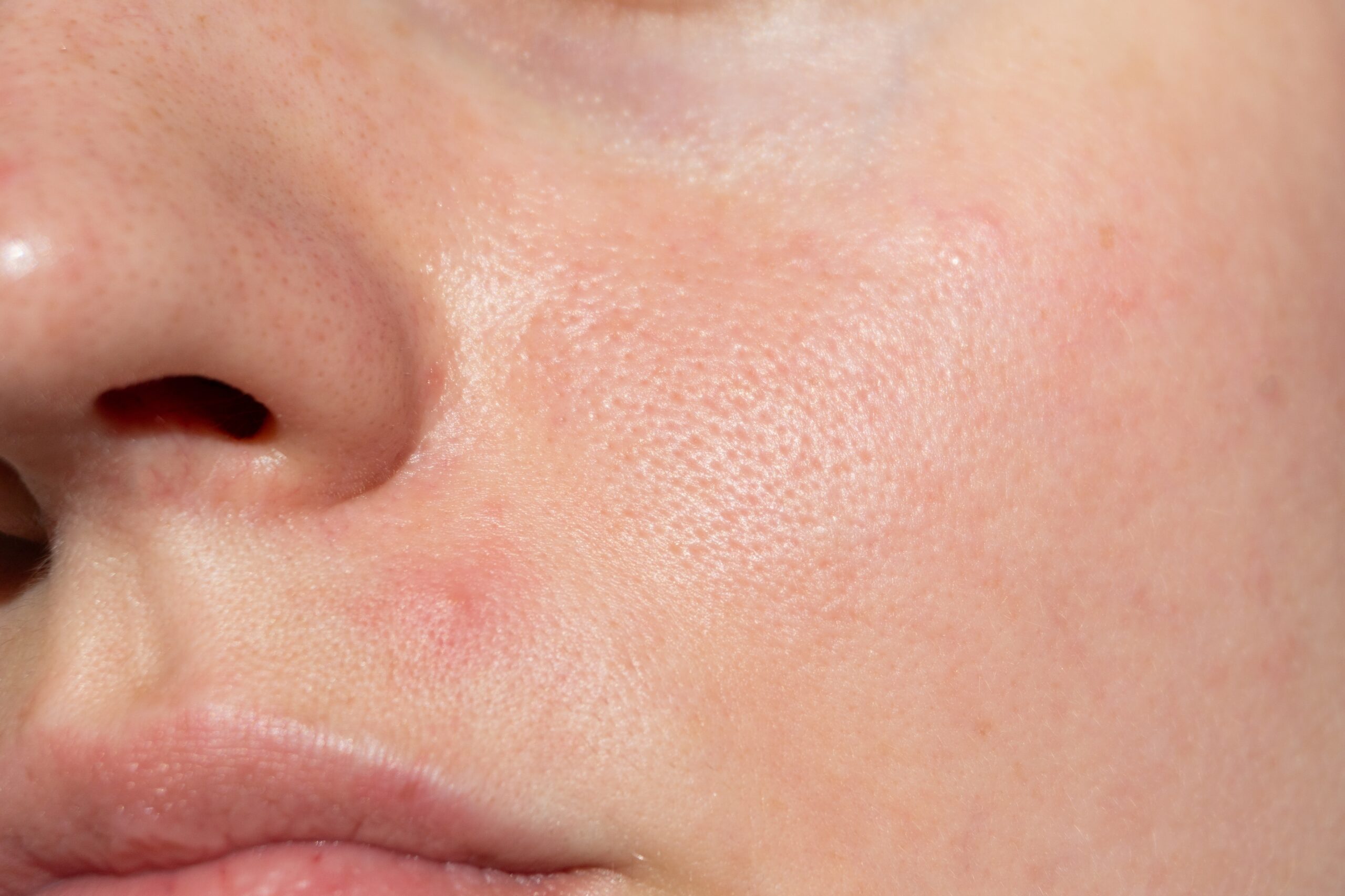
Oily skin produces more sebum than needed. It may appear shiny or greasy across most of the face and is often associated with enlarged-looking pores, blackheads, pimples, and clogged pores.
3. Combination Skin
Combination skin has both oily and dry areas. The oily areas usually appear in the T-zone, which includes the forehead, nose, and chin, while the cheeks or eye area may feel normal or dry.
4. Normal Skin
Normal skin is generally balanced. It does not feel very oily or very dry, and it is usually less prone to obvious tightness, shine, or frequent breakouts. A simple routine of cleansing, moisturizing, and daytime sunscreen is usually suitable for this skin type.
5. Sensitive Skin
Sensitive skin reacts more easily to certain skincare products, cosmetics, weather changes, heat, cold, or harsh ingredients. It may feel itchy, dry, burning, stinging, or irritated, and it can sometimes appear red or discolored depending on the skin tone.
Final Tip
Whatever your skin type is, daily sun protection is an important part of a healthy skincare routine. Choose a moisturizer and sunscreen that suit your skin type, and use sunscreen during the day to help protect the skin from sun damage.
This guide is for general education only. If you have persistent irritation, severe acne, peeling, burning, or sudden skin changes, it is better to consult a dermatologist.
FAQ
1. How do I know what my skin type is?
You can understand your skin type by observing how your skin feels and looks after cleansing. If it feels tight or flaky, it may be dry. If it looks shiny across most of the face, it may be oily. If only the forehead, nose, and chin are oily, it may be combination skin.
2. What are the five main skin types?
The five main skin types are dry skin, oily skin, combination skin, normal skin, and sensitive skin.
3. What does dry skin feel like?
Dry skin may feel tight, rough, itchy, or flaky. It often needs products that help support hydration and moisture.
4. What does oily skin look like?
Oily skin usually appears shiny or greasy, especially across the forehead, nose, chin, and cheeks. It may also be more likely to develop clogged pores, blackheads, and breakouts.
5. What is combination skin?
Combination skin means that some areas of the face are oily while others are dry or normal. The T-zone, which includes the forehead, nose, and chin, is usually the oiliest area.
6. Is sensitive skin a skin type?
Yes, sensitive skin is often described as skin that reacts easily to skincare products, weather changes, heat, cold, or certain ingredients. It may feel irritated, itchy, burning, or uncomfortable.
7. Does every skin type need sunscreen?
Yes. Sunscreen is important for all skin types because it helps protect the skin from sun damage. Choose a sunscreen texture that suits your skin type, such as lightweight formulas for oily skin or moisturizing formulas for dry skin.
8. When should I see a dermatologist?
You should see a dermatologist if you have severe acne, ongoing irritation, burning, peeling, sudden skin changes, or if you are unsure which products are safe for your skin.
References
[1] Cleveland Clinic explains the five commonly recognized skin types and how they may look or feel: dry, oily, combination, normal, and sensitive.
[2] The American Academy of Dermatology notes that oily skin can clog pores and may increase acne breakouts.
[3] Cleveland Clinic explains that clogged pores can contain oil, dead skin cells, dirt, and bacteria, and may lead to blackheads, whiteheads, or acne.
[4] Cleveland Clinic defines sensitive skin as skin that reacts to products or environmental changes and may cause dryness, itching, burning, stinging, peeling, or discoloration.
[5] Mayo Clinic recommends using a moisturizer that fits your skin type and suggests using a daily moisturizer with SPF for sun protection.
[6] The American Academy of Dermatology recommends wearing sunscreen outdoors as part of skin protection.
About the Author
A pharmacist and health content writer creating simple, evidence-based content across wellness, beauty, women’s health, nutrition, and lifestyle.
Dr. Esraa Radwan
Writer