

Healthy Aging for Women: How Women Are Redefining Aging
- May 11, 2026
- Lifestyle
Aging is no longer about slowing down it’s about evolving. Today, women are redefining what it means to grow older by prioritizing strength, balance, and long-term wellbeing. This new perspective shifts the focus from appearance to vitality, creating a more empowering way to live at every stage of life

Dr. Suleiman Atieh
Founder
Dr. Suleiman Atieh is a pharmacist and founder of إلَيَّ, with a strong passion for healthcare marketing, brand strategy, and business development. He focuses on building meaningful healthcare brands that connect science, market needs, and modern communication.
Reviewed by Celine Abdallah
Last updated: March 20, 2026
Table of Contents
This article is for educational purposes only and is not a substitute for professional medical advice.
Healthy Aging for Women: How Women Are Redefining Aging
Aging is no longer viewed as a stage of decline or loss of vitality. Today, it is being redefined as a phase of strength, awareness, balance, and better quality of life. More women are embracing the idea that growing older does not mean becoming weaker. Instead, it means learning how to care for the body and mind in a smarter, more intentional way.
For women, healthy aging is especially important because the journey is shaped not only by age, but also by hormonal transitions, lifestyle habits, bone health, heart health, sleep quality, and emotional wellbeing. Rather than focusing only on appearance, women are now redefining aging around how they feel, how they function, and how well they live.
What does healthy aging mean for women?
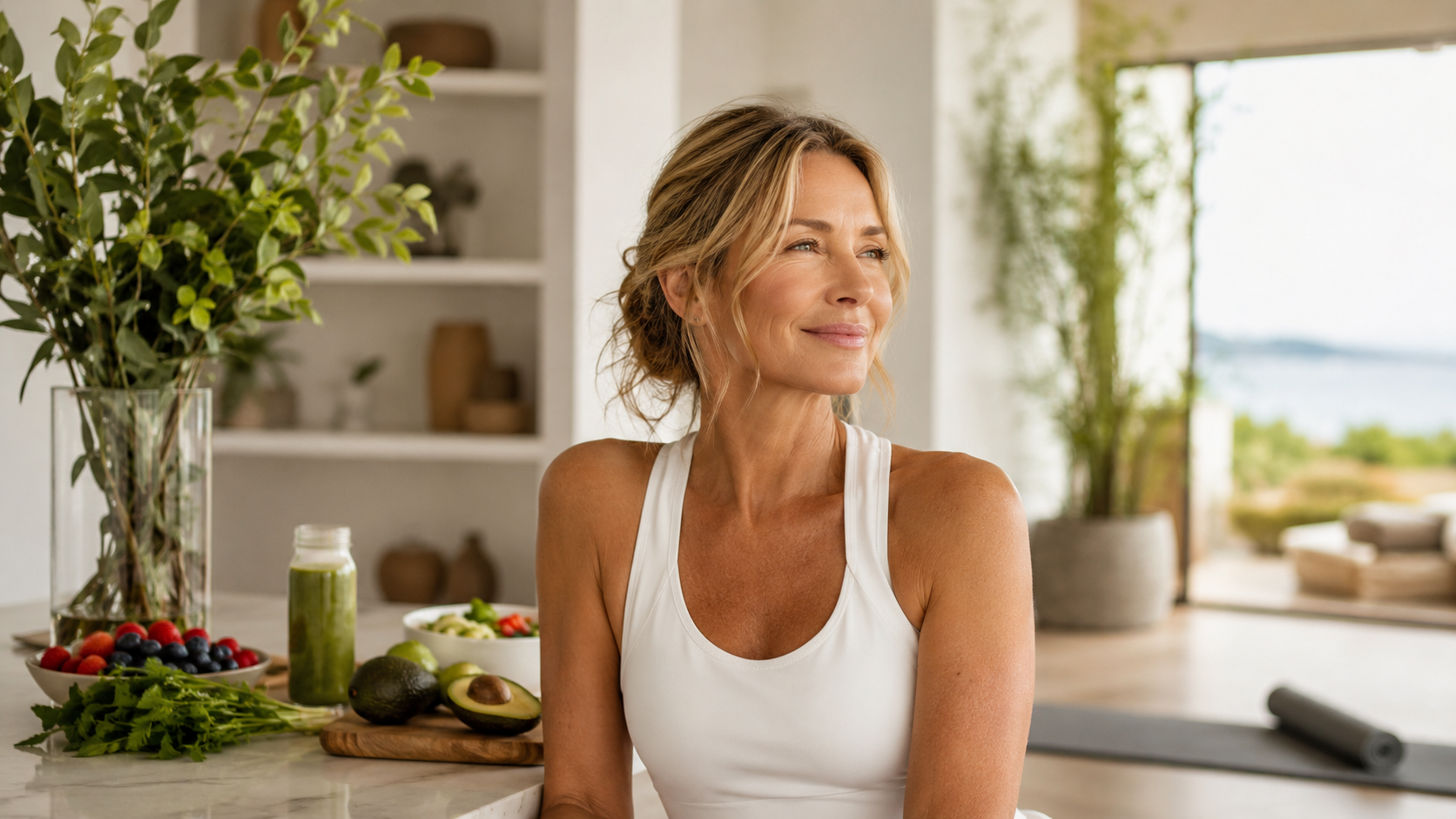
Healthy aging for women is not about trying to stop time. It is not about chasing youth in a superficial way. It is about maintaining strength, mobility, mental clarity, emotional balance, independence, and overall wellbeing as the years go by.
In simple terms, the question is no longer, “How can I look younger?”
It has become, “How can I live better, feel stronger, and age with vitality?”
This shift is powerful because it moves the conversation away from unrealistic beauty standards and toward something much more meaningful: long-term health and quality of life.
Why are women redefining aging?
Women today are no longer satisfied with narrow ideas about aging that focus only on wrinkles, weight, or appearance. There is a growing awareness that healthy aging is about much more than skincare. It includes muscle strength, heart health, bone density, metabolic health, emotional resilience, restful sleep, and social connection.
As women move through their 40s, 50s, and beyond, hormonal changes such as perimenopause and menopause can affect energy levels, sleep, mood, bone health, and cardiovascular health. Because of this, more women are choosing a broader, more empowered approach to aging—one that is built on prevention, strength, and self-awareness.
Strength matters more than thinness
One of the biggest shifts in women’s wellness is the move away from obsessing over weight and toward focusing on strength. Healthy aging is not about being smaller. It is about being stronger, more capable, and more resilient.
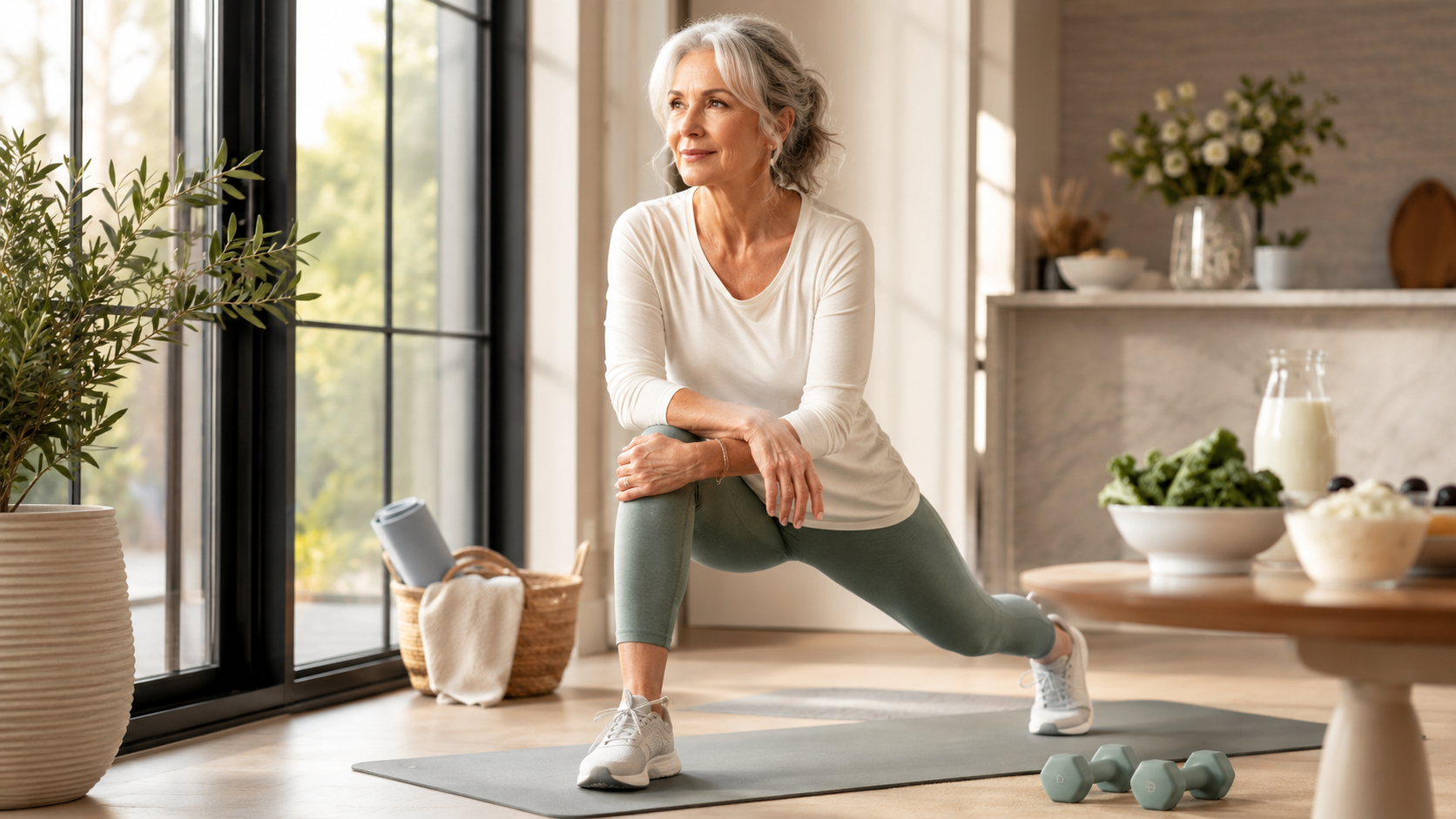
As women age, maintaining muscle mass becomes increasingly important. Strength supports posture, balance, metabolism, mobility, and independence. It also helps reduce the risk of frailty and supports everyday function.
For women especially, this matters because the decline in estrogen after menopause can contribute to faster bone loss. This makes movement and resistance training even more important. Walking, strength training, staying active throughout the day, and supporting musculoskeletal health are all essential parts of healthy aging.
Sleep is no longer a luxury
Sleep has become one of the most important pillars of healthy aging for women. It is no longer seen as optional or secondary. Rest is essential for hormonal balance, emotional wellbeing, mental performance, recovery, and long-term health.
Many women experience sleep challenges during midlife due to hormonal changes, stress, lifestyle pressure, and menopause-related symptoms. Poor sleep can affect mood, focus, energy, appetite, and overall wellbeing. Over time, it can also impact heart health and metabolic health.
That is why good sleep should be treated as a wellness priority, not an afterthought. A woman who sleeps well is more likely to feel balanced, energized, and better equipped to manage the demands of modern life.

Heart health must be part of the conversation
When people talk about aging, they often focus on beauty or body shape. But one of the most important parts of healthy aging for women is heart health.
Hormonal changes around menopause can influence cardiovascular risk, which means women should pay closer attention to blood pressure, blood sugar, cholesterol, waist circumference, and daily activity levels. Taking care of the heart should become just as normal as taking care of the skin.
Healthy aging means understanding that long-term vitality is not only about how you look. It is also about how well your body functions from the inside out.
Bone health, mobility, and independence
A key part of healthy aging is maintaining the ability to move freely and confidently. Women want more than just a longer life. They want a life with independence, comfort, movement, and freedom.
Bone health plays a major role in this. Because bone loss can increase after menopause, many women need to be more proactive about supporting their skeletal health before problems appear. Daily movement, strength training, balanced nutrition, and attention to calcium and vitamin D intake are all important foundations.
The goal is not simply to avoid illness. The goal is to protect mobility, confidence, and independence for years to come.
Emotional wellbeing matters too
Healthy aging for women is not only physical. Emotional wellbeing is just as important. Mental health, social support, purpose, and connection all shape how women experience aging.
A woman may be physically healthy, but if she is constantly stressed, isolated, exhausted, or emotionally drained, her overall wellbeing will suffer. This is why healthy aging should include caring for the nervous system, managing stress, protecting mental clarity, and staying connected to supportive people and meaningful routines.
Friendships, family, community, and a sense of purpose are not extras. They are essential parts of living well.
How women can build a healthier future
The good news is that healthy aging does not require perfection. It does not begin with extreme rules or complicated routines. It starts with consistent, sustainable habits.
Start by moving your body regularly. Walking, stretching, strength training, and staying active during the day all support long-term health.
Make sleep a priority. Protecting rest can improve mood, energy, focus, and resilience.
Pay attention to heart health early. Monitoring key markers and building healthy habits now can make a major difference later.
Support bone and muscle health before problems appear. Prevention is always stronger than waiting for symptoms.
Care for emotional wellbeing. Protect your peace, manage stress, stay socially connected, and create routines that bring meaning and stability.
Healthy aging is built in everyday choices, not one dramatic moment.
From fear of aging to a new mindset
For many years, aging was framed as something women should fear. But that narrative is changing. Women are now reclaiming aging as a stage of wisdom, strength, confidence, and intentional living.
Healthy aging is not about resisting every sign of time. It is about supporting the body through every stage of life with respect, awareness, and care. is about becoming stronger, not disappearing. is about choosing vitality over fear.
Women are redefining aging by making it less about appearance and more about energy, mobility, balance, heart health, bone health, sleep, and emotional wellbeing. This is a much more powerful way to age.
Final thoughts
Healthy aging for women is not a trend. It is a smarter, more meaningful way to think about long-term wellbeing. As more women focus on strength, prevention, hormonal awareness, sleep, mobility, and emotional balance, the idea of aging is being transformed.
Aging well is no longer just about adding years to life. It is about adding life to those years.
FAQ
What is healthy aging for women?
Healthy aging for women means maintaining physical strength, mental clarity, emotional wellbeing, mobility, and independence as women grow older.
Why is healthy aging different for women?
Because women experience hormonal changes such as perimenopause and menopause, which can affect sleep, bones, heart health, mood, and metabolism.
What should women focus on for healthy aging?
Women should focus on movement, strength, sleep, heart health, bone health, emotional wellbeing, and consistent healthy habits.
Does healthy aging mean trying to look younger?
No. Healthy aging is about feeling stronger, functioning better, and improving quality of life—not simply looking younger.
References



About the Author
Dr. Suleiman Atieh is a pharmacist and founder of إلَيَّ, with a strong passion for healthcare marketing, brand strategy, and business development. He focuses on building meaningful healthcare brands that connect science, market needs, and modern communication.
Dr. Suleiman Atieh
Founder