

The Postpartum Body: Recovery Beyond the First 6 Weeks
- August 12, 2026
- Women’s Health
The 6-week postpartum check-up is often treated like the finish line of recovery. Many women are told they are “cleared” to return to exercise, sex, work, and normal life. But for many mothers, 6 weeks is not the end of healing. It is only one point in a much longer recovery.
The postpartum body has gone through pregnancy, birth, hormonal shifts, blood loss, tissue healing, sleep disruption, feeding demands, emotional changes, and identity changes. Whether birth was vaginal or by C-section, recovery can take months. For some symptoms, healing and support may be needed for a year or longer.
ACOG describes postpartum care as an ongoing process rather than a single visit, and says postpartum care should include physical, social, and psychological wellbeing. It also emphasizes that completing a postpartum visit does not mean recovery and support end at 6 weeks.
This article explains what postpartum recovery beyond the first 6 weeks can look like, what symptoms may be common, what should not be ignored, and how women can support their bodies after birth.

Dr. Suleiman Atieh
Founder
Dr. Suleiman Atieh is a pharmacist and founder of إلَيَّ, with a strong passion for healthcare marketing, brand strategy, and business development. He focuses on building meaningful healthcare brands that connect science, market needs, and modern communication.
Reviewed by Celine Abdallah
Last updated: August 12, 2026
Table of Contents
This article is for educational purposes only and is not a substitute for professional medical advice.
Why the 6-Week Mark Is Not a Finish Line
The idea that the body “bounces back” after 6 weeks is unrealistic. By 6 weeks, some tissues may have started healing, bleeding may have stopped or reduced, and the uterus may have returned closer to its pre-pregnancy size. But that does not mean the whole body is fully recovered.
Postpartum recovery includes:
- Uterine healing
- Pelvic floor recovery
- Abdominal wall recovery
- C-section scar healing if applicable
- Hormonal changes
- Breast or chest changes
- Sleep deprivation
- Mental health adjustment
- Sexual health recovery
- Return to movement
- Nutrient rebuilding
- Emotional identity changes
The World Health Organization highlights the importance of quality postnatal care for women and newborns, especially in the early weeks after birth. But many women continue to need support beyond that early window.
1. Bleeding and Discharge After 6 Weeks
Postpartum bleeding, called lochia, usually becomes lighter over time. It may start bright red, then turn pink, brown, yellowish, or white before stopping. Some women stop bleeding before 6 weeks, while others may have light spotting for longer.
However, heavy bleeding after the early postpartum period should be taken seriously.
When to seek medical advice
Contact a healthcare professional if you have:
- Sudden heavy bleeding
- Bleeding that soaks pads quickly
- Large clots
- Bleeding that gets heavier instead of lighter
- Foul-smelling discharge
- Fever
- Dizziness, faintness, or rapid heartbeat
The NHS lists sudden or very heavy vaginal blood loss after birth, especially with faintness or rapid heartbeat, as a warning sign of postpartum hemorrhage.
2. Pelvic Floor Recovery Takes Time
The pelvic floor supports the bladder, bowel, uterus, and pelvic organs. Pregnancy alone can place pressure on the pelvic floor, and vaginal birth can stretch or injure pelvic floor tissues. C-section birth does not completely protect the pelvic floor because pregnancy itself affects the area.
Pelvic floor recovery may involve:
- Urinary leakage
- Difficulty holding gas
- Pelvic heaviness
- Pressure or bulging sensation
- Pain with sex
- Constipation
- Lower back or pelvic pain
- Feeling disconnected from the pelvic muscles
Some mild weakness can improve with time and proper exercises. But leakage, heaviness, pain, or pressure should not be dismissed as “normal motherhood.”
When pelvic floor therapy may help
A pelvic health physiotherapist may help with:
- Urinary leakage
- Prolapse symptoms
- Scar discomfort
- Pelvic pain
- Core weakness
- Safe return to exercise
- Constipation-related pelvic strain
Pelvic floor recovery is not only about doing Kegels. Some women need strengthening, while others need relaxation, coordination, breathing, scar work, or treatment for muscle tension.
3. C-Section Recovery Beyond the Scar
A C-section is major abdominal surgery. Even when the outside scar looks healed, deeper layers may still be recovering. Numbness, tightness, pulling, itching, tenderness, or sensitivity around the scar can continue for months.
C-section recovery may involve:
- Abdominal weakness
- Scar tightness
- Numbness or tingling
- Pain with certain movements
- Difficulty lifting comfortably
- Adhesion-related pulling
- Emotional processing of the birth experience
When to check a C-section scar
Seek medical advice if you notice:
- Increasing redness
- Swelling
- Warmth
- Pus or discharge
- Fever
- Worsening pain
- Opening of the incision
- A bad smell from the wound
Scar massage may help some women later in recovery, but it should only be started when the incision is fully closed and a healthcare professional says it is safe.
4. Abdominal Recovery and Diastasis Recti
During pregnancy, the abdominal wall stretches to make space for the baby. Some women develop diastasis recti, which means the abdominal muscles separate along the midline.
This may appear as:
- A gap or softness in the middle of the abdomen
- Doming or bulging during movement
- Core weakness
- Lower back discomfort
- Difficulty with lifting or exercise
- Feeling unstable through the trunk
Diastasis recti is common, but it should be rehabilitated gradually. Aggressive core exercises too early may worsen pressure symptoms in some women.
Supportive steps
Helpful recovery may include:
- Breathing exercises
- Deep core activation
- Gentle progressive strengthening
- Avoiding movements that cause strong doming early on
- Pelvic floor coordination
- Guidance from a pelvic health physiotherapist
The goal is not to “flatten the stomach” quickly. The goal is to restore strength, function, and comfort.
5. Hormonal Changes After Birth
After birth, estrogen and progesterone drop sharply. If breastfeeding, estrogen may stay lower for longer. These hormonal shifts can affect mood, sweating, vaginal dryness, libido, skin, hair, sleep, and emotional sensitivity.
Common hormone-related postpartum experiences may include:
- Night sweats
- Mood swings
- Tearfulness
- Vaginal dryness
- Low libido
- Hair shedding
- Skin changes
- Irregular return of periods
- Breast changes
These changes can be normal, but intense or persistent symptoms deserve attention.
6. Postpartum Hair Loss
Many women notice significant hair shedding around 2 to 4 months postpartum. This is usually related to the normal shift in the hair growth cycle after pregnancy hormones change.
Postpartum hair shedding can feel alarming, especially when hair comes out in handfuls. In many cases, it improves gradually over several months.
When to check hair loss
Speak with a healthcare professional if hair loss is:
- Severe or patchy
- Continuing for many months
- Associated with fatigue
- Associated with heavy bleeding
- Linked with weight changes, cold intolerance, or thyroid symptoms
- Accompanied by scalp irritation or pain
Low iron, thyroid changes, stress, and nutrient deficiencies can also contribute.
7. Breastfeeding, Formula Feeding, and Body Recovery
Feeding choices can affect postpartum recovery, but there is no single “right” experience. Breastfeeding, pumping, mixed feeding, and formula feeding can all come with physical and emotional demands.
Breastfeeding may be associated with:
- Sore nipples
- Engorgement
- Milk supply concerns
- Clogged ducts
- Mastitis
- Increased hunger or thirst
- Lower estrogen and vaginal dryness
- Delayed return of periods
Formula feeding or weaning may be associated with:
- Breast fullness
- Emotional shifts
- Hormonal changes
- Guilt or pressure from others
- Changes in bleeding or cycle return
The most important point is that both mother and baby need support. Feeding should not become a reason to ignore maternal health.
8. Sex After Birth: Comfort Matters More Than Timing
Many women hear that they can have sex again after 6 weeks. But being “medically cleared” does not always mean the body feels ready.
Sex after birth may be affected by:
- Perineal tears
- C-section discomfort
- Pelvic floor tension
- Vaginal dryness
- Breastfeeding-related low estrogen
- Fear of pain
- Fatigue
- Low libido
- Emotional changes
- Relationship pressure
Painful sex after birth is common, but it should not be accepted as something women must tolerate. Lubricants, vaginal moisturizers, pelvic floor therapy, scar treatment, hormonal options, and medical evaluation may help depending on the cause.
When to seek help
Ask for support if sex is painful, frightening, emotionally distressing, or remains uncomfortable after trying gentle approaches.
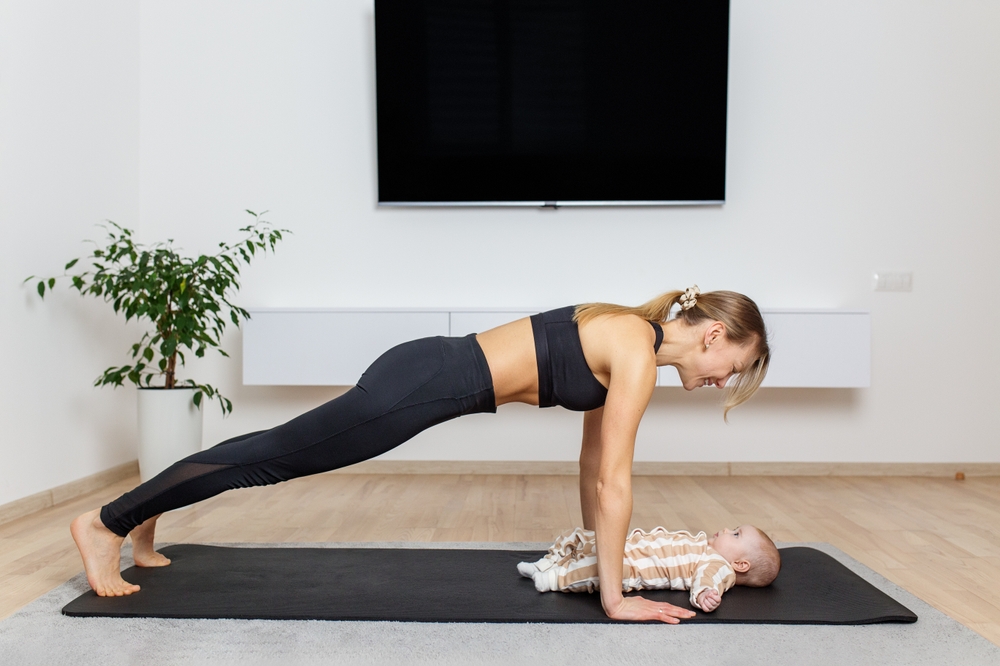
9. Returning to Exercise Safely
Returning to exercise after birth should be gradual. The body needs time to rebuild strength, coordination, pelvic support, and energy. The right timeline depends on birth type, tearing, C-section healing, bleeding, sleep, pain, pelvic floor symptoms, and pre-pregnancy fitness.
Signs that exercise may be too much include:
- Increased bleeding
- Pelvic heaviness
- Urinary leakage
- Pain
- Scar pulling
- Strong abdominal doming
- Extreme fatigue
- Pressure or bulging sensation
A safer return may include
- Gentle walking
- Breathing exercises
- Pelvic floor coordination
- Deep core activation
- Gradual strength training
- Low-impact movement
- Avoiding high-impact exercise until symptoms are stable
Running, jumping, heavy lifting, and intense core workouts may need more time, especially if there is leakage, heaviness, pain, or diastasis.
10. Postpartum Mental Health Beyond Baby Blues
Emotional changes are common after birth, but serious mental health symptoms should not be ignored. The early “baby blues” may include tearfulness, mood swings, and emotional sensitivity in the first days after birth. But symptoms that are intense, persistent, or worsening may suggest postpartum depression, anxiety, obsessive thoughts, trauma symptoms, or other mental health concerns.
ACOG includes mood and emotional wellbeing as part of comprehensive postpartum care.
Signs to seek support
Speak with a healthcare professional if you experience:
- Persistent sadness
- Anxiety or panic
- Feeling disconnected from the baby
- Feeling hopeless
- Intrusive thoughts that scare you
- Rage or irritability
- Trouble sleeping even when the baby sleeps
- Loss of interest
- Feeling unable to cope
- Thoughts of harming yourself or the baby
If there are thoughts of self-harm or harm to the baby, seek urgent help immediately.
11. Sleep Deprivation Is a Recovery Issue
Sleep after birth is not just a lifestyle topic. It is a recovery issue. Poor sleep affects mood, healing, immune function, appetite, pain sensitivity, memory, and emotional regulation.
Of course, newborn sleep is unpredictable. The goal is not perfect sleep, but protected rest.
Helpful strategies may include:
- Taking shifts when possible
- Accepting practical help
- Sleeping when another trusted adult watches the baby
- Reducing non-essential tasks
- Preparing simple meals
- Avoiding pressure to “do everything”
- Asking visitors to help, not just hold the baby
Mothers need recovery time, not just encouragement.
12. Nutrition and Rebuilding Nutrient Stores
Pregnancy, birth, blood loss, breastfeeding, and sleep deprivation can increase physical demands. Postpartum nutrition should support healing, energy, blood sugar, milk production if breastfeeding, and mood.
Helpful priorities include:
- Enough calories
- Protein at meals
- Iron-rich foods
- Fiber for constipation
- Omega-3 sources
- Calcium and vitamin D
- Hydration
- Easy meals and snacks
- Continuing prenatal vitamins if recommended
Women with heavy bleeding, fatigue, dizziness, or shortness of breath may need evaluation for anemia or low iron.
13. Constipation, Hemorrhoids, and Bowel Recovery
Constipation and hemorrhoids are common after birth, especially after vaginal birth, C-section, iron supplements, dehydration, pain medication, or pelvic floor tension.
Supportive steps include:
- Drinking enough fluids
- Eating fiber-rich foods
- Gentle walking
- Using stool softeners if advised
- Avoiding straining
- Supporting feet on a small stool during bowel movements
- Treating hemorrhoids if painful
Persistent bowel pain, bleeding, severe constipation, or loss of bowel control should be discussed with a healthcare professional.
14. The Return of Periods and Fertility
Periods may return at different times after birth. For women who are not breastfeeding, periods may return sooner. For women who are breastfeeding, periods may be delayed, but ovulation can still occur before the first period.
This means pregnancy can happen before periods fully return.
ACOG notes that return to fertility while lactating depends on several factors, and pregnancy is unlikely only under specific conditions: no return of menses, baby younger than 6 months, and fully or nearly fully breastfeeding without long intervals between feeds.
If avoiding pregnancy is important, contraception should be discussed before or soon after resuming sex.
15. Body Image and Identity After Birth
The postpartum body may look and feel different. There may be stretch marks, softer skin, scars, breast changes, weight changes, posture changes, pelvic changes, or a different relationship with the body.
These changes can be emotionally complex. Some women feel proud. Some feel disconnected. Some feel grief. Some feel pressure to return to their “old body.”
Recovery should not be measured by how quickly a woman looks like she never gave birth. The postpartum body deserves respect for what it has carried, survived, and continues to do.
What Symptoms Should Not Be Ignored After 6 Weeks?
Seek medical advice if you have:
- Heavy bleeding or large clots
- Foul-smelling discharge
- Fever
- Worsening pelvic or abdominal pain
- C-section wound redness, swelling, discharge, or opening
- Painful urination or signs of infection
- Chest pain or shortness of breath
- Severe headache or vision changes
- Leg swelling or pain, especially one-sided
- Persistent dizziness or fainting
- Urinary or bowel leakage that affects life
- Pelvic heaviness or bulging
- Painful sex
- Severe fatigue
- Persistent sadness, anxiety, panic, or intrusive thoughts
Postpartum symptoms are common, but common does not always mean normal.
How to Advocate for Yourself Postpartum
Many women feel dismissed after birth. If you feel something is wrong, keep asking for help.
You can say:
- “This symptom is affecting my daily life.”
- “I am still in pain and need evaluation.”
- “I would like a pelvic floor referral.”
- “I am worried about my mood and need support.”
- “This does not feel normal for my body.”
- “What are the next steps if this does not improve?”
- “Can we check for anemia, thyroid issues, infection, or pelvic floor problems?”
Bringing a symptom diary can help. So can taking someone with you to the appointment for support.
Final Thoughts
Postpartum recovery does not end at 6 weeks. The body may need months or longer to heal from pregnancy, birth, hormonal changes, feeding demands, sleep deprivation, and emotional transition.
Some changes are common, such as hair shedding, night sweats, body soreness, fatigue, changing periods, and gradual pelvic floor recovery. But symptoms like heavy bleeding, fever, worsening pain, urinary or bowel leakage, pelvic pressure, painful sex, severe fatigue, or persistent anxiety and low mood should not be ignored.
The postpartum body does not need pressure to “bounce back.” It needs care, patience, medical support when needed, and permission to recover at a human pace.
FAQ
1. Is postpartum recovery finished after 6 weeks?
No. The 6-week visit is not the end of recovery. ACOG states that postpartum care should be an ongoing process and that completing the postpartum visit does not end the need for recovery and support beyond 6 weeks.
2. How long does postpartum recovery really take?
It varies. Some symptoms improve within weeks, while pelvic floor recovery, C-section healing, hormonal changes, breastfeeding-related changes, mental health recovery, and core strength may take months or longer.
3. Is it normal to leak urine after birth?
Urinary leakage can be common, but it should not be ignored if it continues or affects daily life. Pelvic floor therapy can often help.
4. Is painful sex normal after childbirth?
Painful sex can happen after birth, especially with vaginal dryness, scars, pelvic floor tension, breastfeeding-related low estrogen, or fear of pain. But it should not be treated as something women must tolerate.
5. When can I exercise after birth?
Gentle movement may begin earlier for some women, but return to intense exercise should be gradual and based on symptoms. Increased bleeding, leakage, pelvic pressure, pain, or abdominal doming are signs to slow down and seek guidance.
6. Is hair loss normal postpartum?
Postpartum hair shedding is common around 2 to 4 months after birth and often improves with time. Severe, patchy, or prolonged hair loss should be checked.
7. Can I get pregnant before my period returns?
Yes. Ovulation can happen before the first postpartum period. If avoiding pregnancy is important, discuss contraception with a healthcare professional.
8. What postpartum symptoms are urgent?
Urgent symptoms include sudden heavy bleeding, fainting, fever, chest pain, shortness of breath, severe headache, vision changes, one-sided leg swelling or pain, severe abdominal pain, wound infection signs, or thoughts of self-harm or harming the baby.
9. Should I see a pelvic floor physiotherapist after birth?
Many women can benefit, especially if they have leakage, pelvic heaviness, painful sex, pelvic pain, prolapse symptoms, constipation, scar discomfort, or trouble returning to exercise.
10. What should postpartum care include?
ACOG says comprehensive postpartum care should assess physical, social, and psychological wellbeing, including mood, infant care and feeding, sexuality, contraception, sleep, fatigue, physical recovery, chronic disease management, and health maintenance.
References
- ACOG — Optimizing Postpartum Care
- WHO — Recommendations on Maternal and Newborn Care for a Positive Postnatal Experience
- NHS — Your Body After the Birth
- WHO — Quality Care for Women and Newborns in the Critical First Weeks After Childbirth
About the Author
Dr. Suleiman Atieh is a pharmacist and founder of إلَيَّ, with a strong passion for healthcare marketing, brand strategy, and business development. He focuses on building meaningful healthcare brands that connect science, market needs, and modern communication.
Dr. Suleiman Atieh
Founder