

Aloe Vera: What Science Really Says About It
- August 11, 2026
- Herbals & Natural Health
Aloe vera has been used in traditional medicine for centuries and is sometimes referred to as the “plant of immortality.” Today, Aloe vera can be found in skincare products, supplements, drinks, wound-care preparations, and even digestive health products.
But despite its popularity, not every health claim surrounding Aloe vera is supported by strong scientific evidence.
Some uses, particularly topical applications for certain skin conditions and minor burns, have been studied relatively well. Other claims remain preliminary, inconsistent, or associated with potential safety concerns.
Here is what current scientific evidence suggests about the real benefits, limitations, and risks of Aloe vera.

Dr. Zena Kalaji
Writer
A dentistry student and wellness writer focused on how everyday preventive habits impact confidence and health.
Reviewed by Dr. Suleiman Atieh
Last updated: August 11, 2026
Table of Contents
This article is for educational purposes only and is not a substitute for professional medical advice.
1. Aloe Vera for Burns and Wound Healing
Wound and burn care is one of the most extensively studied uses of Aloe vera.
Aloe Vera for Minor Burns
Research suggests that topical Aloe vera may help support the healing of certain superficial and partial-thickness burns.
A meta-analysis found that Aloe vera treatment may reduce burn-healing time compared with some conventional treatments.
Several compounds in Aloe vera may contribute to this effect. One of them is glucomannan, a polysaccharide believed to interact with growth factors and stimulate fibroblast activity.
Fibroblasts are cells involved in producing collagen and repairing damaged tissue.
For this reason, Aloe vera gel may potentially support:
- Skin regeneration
- Collagen production
- Moisture retention
- Recovery from superficial burns
However, Aloe vera should not be considered a substitute for proper medical care in serious burns.
Deep burns, extensive burns, infected wounds, or burns affecting the face, hands, genitals, or large areas of the body require professional medical evaluation.
Aloe Vera After Minor Skin Procedures
Some clinical studies have also investigated Aloe vera following minor dermatological procedures.
Research involving skin biopsy sites has suggested that Aloe vera preparations may help accelerate re-epithelialization, the process through which new epithelial tissue forms over a wound.
However, the evidence is not completely consistent across all types of wounds.
Important Note
Aloe vera may not be appropriate for deep or open surgical wounds.
Some studies have suggested delayed healing in particular types of wounds, meaning that its use should generally be limited to minor, superficial skin injuries unless otherwise recommended by a healthcare professional.
2. Aloe Vera for Chronic Skin Conditions
Aloe vera has also been studied in several inflammatory and chronic dermatological conditions.
Aloe Vera for Psoriasis
Psoriasis is a chronic inflammatory skin condition that causes red, thickened, and often scaly patches of skin.
Some clinical studies have found that topical Aloe vera preparations may improve symptoms of mild-to-moderate plaque psoriasis.
A cream containing approximately 0.5% Aloe vera extract has been investigated in clinical research, with some evidence suggesting improvements in lesion severity.
However, Aloe vera should not replace established psoriasis treatments such as:
- Topical corticosteroids
- Vitamin D analogues
- Phototherapy
- Systemic therapies
- Biologic medications
It may instead have a possible role as a complementary skincare option in selected mild cases.
Aloe Vera for Oral Lichen Planus
Oral lichen planus is a chronic inflammatory condition affecting the lining of the mouth.
Clinical research has investigated Aloe vera gel as a possible treatment for symptoms such as:
- Oral pain
- Burning sensations
- Ulceration
- Lesion size
In one randomized clinical trial, Aloe vera showed encouraging results when compared with topical triamcinolone acetonide, a corticosteroid commonly used for inflammatory oral lesions.
These findings suggest that Aloe vera may have potential as a supportive treatment.
However, larger and higher-quality studies are still needed before it can be considered an established replacement for conventional treatment.
3. Aloe Vera for Irritable Bowel Syndrome and Ulcerative Colitis
The evidence surrounding Aloe vera and digestive disorders is considerably less certain.
Aloe Vera for Irritable Bowel Syndrome
Irritable bowel syndrome, or IBS, can cause symptoms including:
- Abdominal pain
- Bloating
- Constipation
- Diarrhea
- Changes in bowel habits
Some studies have investigated oral Aloe vera preparations for IBS.
However, clinical research has generally failed to demonstrate a clear and consistent improvement in overall IBS symptoms compared with placebo.
Therefore, Aloe vera is currently not considered an established treatment for IBS.
Aloe Vera for Ulcerative Colitis
There is somewhat more encouraging, although still limited, evidence regarding Aloe vera and mild-to-moderate ulcerative colitis.
In one randomized controlled trial, participants consumed oral Aloe vera gel for several weeks.
Some patients experienced clinical and histological improvement compared with the placebo group.
Histological improvement was reported in approximately 30% of patients receiving Aloe vera compared with 7% receiving placebo.
While this result is interesting, one small study is not enough to establish Aloe vera as a treatment for ulcerative colitis.
Ulcerative colitis is a serious inflammatory bowel disease and should be managed using evidence-based medical therapies under the supervision of a gastroenterologist.
Aloe vera should not replace prescribed medications.
4. Aloe Vera and Blood Sugar Control
Aloe vera has also been investigated for its potential effects on blood glucose.
Several studies and systematic reviews suggest that certain oral Aloe vera preparations may modestly reduce:
- Fasting blood glucose
- HbA1c
HbA1c reflects average blood glucose levels over approximately the previous two to three months.
These findings have led researchers to investigate Aloe vera as a possible complementary intervention in people with type 2 diabetes or prediabetes.
However, this does not mean Aloe vera should be used as a substitute for diabetes medication.
Risk of Hypoglycemia
A potential concern is that Aloe vera may enhance the glucose-lowering effect of diabetes medications.
This can be particularly relevant for people taking:
- Insulin
- Sulfonylureas
- Other glucose-lowering medications
Combining these treatments with Aloe vera supplements may increase the risk of hypoglycemia, or dangerously low blood sugar.
For this reason, Aloe vera supplements should not be used for diabetes management without medical supervision.
5. Aloe Vera as a Laxative for Constipation
One of the most important distinctions when discussing Aloe vera is the difference between:
Aloe vera gel
and
Aloe latex
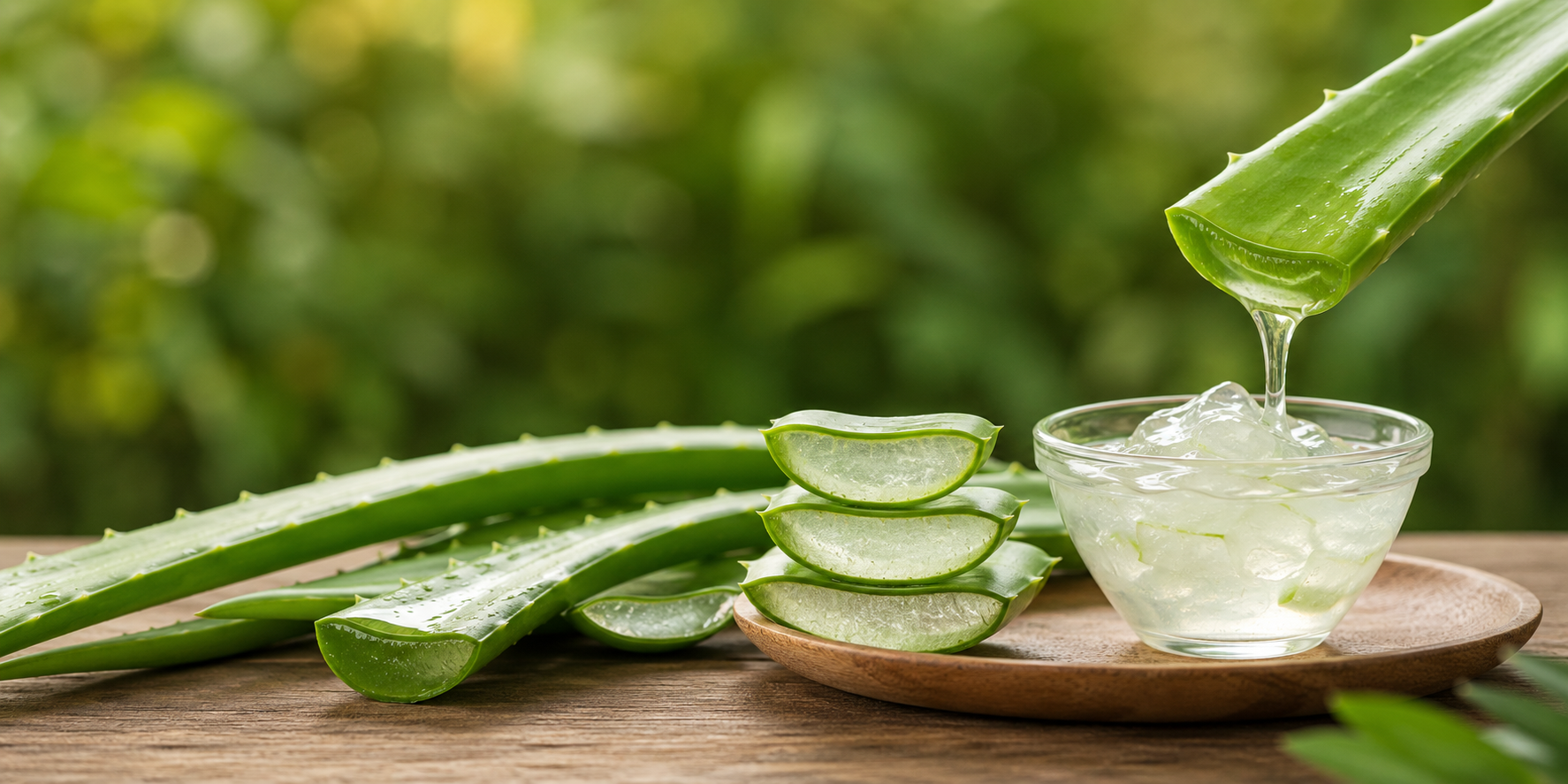
The clear gel is found inside the leaves.
The yellowish latex located underneath the outer leaf contains compounds known as anthraquinones, particularly aloin.
Aloin acts as a powerful stimulant laxative.
Historically, Aloe latex was widely used to treat constipation.
However, its safety profile has raised major concerns.
Why Aloe Latex Is No Longer Recommended
Long-term or excessive exposure to stimulant anthraquinones may contribute to:
- Severe diarrhea
- Abdominal cramping
- Dehydration
- Electrolyte imbalances
- Low potassium levels
- Abnormal heart rhythms
- Potential laxative dependence
Because of these safety concerns, Aloe latex is no longer recommended as a routine treatment for constipation.
There are safer and better-studied approaches for managing constipation, including dietary fiber, adequate hydration, physical activity, and evidence-based medications when necessary.
Aloe Vera Gel vs. Aloe Latex: Why the Difference Matters
Consumers frequently assume that all Aloe vera products are essentially the same.
They are not.
Aloe Vera Gel
The clear gel inside the plant is commonly used in:
- Skincare products
- Moisturizers
- Burn gels
- Cosmetic formulations
- Certain processed dietary supplements
Topical Aloe vera gel is generally considered well tolerated for most people.
Aloe Latex
Aloe latex is the yellow material found just under the leaf’s outer skin.
It contains anthraquinones such as aloin and has a much greater potential for adverse effects.
Products designed for oral consumption should therefore be processed to minimize or remove anthraquinones.
Is Aloe Vera Safe?
The safety of Aloe vera depends largely on the preparation, dose, route of administration, and duration of use.
Topical Aloe Vera
Topical Aloe vera gel is generally considered safe when applied to intact skin or minor superficial burns.
However, some people may experience:
- Redness
- Itching
- Burning
- Contact dermatitis
- Local allergic reactions
People with sensitive skin may want to test a small area before widespread use.
Risks of Oral Aloe Vera
Oral Aloe vera products require significantly more caution.
Aloe Latex and Aloin
Products containing Aloe latex or high levels of aloin may cause severe gastrointestinal and electrolyte disturbances.
Long-term exposure to certain whole-leaf Aloe vera preparations has also raised toxicological concerns in animal studies.
Certain non-decolorized whole-leaf Aloe vera extracts have been classified as possibly carcinogenic to humans by the International Agency for Research on Cancer.
This does not mean that topical Aloe vera gel causes cancer.
The concern primarily relates to specific orally consumed whole-leaf extracts containing anthraquinones.
Aloe Vera During Pregnancy and Breastfeeding
Oral Aloe vera products are generally not recommended during pregnancy.
Anthraquinone-containing preparations may stimulate the gastrointestinal tract and have historically raised concerns regarding uterine stimulation.
Oral Aloe vera should also be approached cautiously during breastfeeding because some compounds may potentially cause diarrhea or gastrointestinal symptoms in infants.
Topical cosmetic use is different from oral supplementation and is generally considered much lower risk.
Pregnant or breastfeeding women should nevertheless consult their healthcare provider before regularly using medicinal or supplemental Aloe products.
Aloe Vera and Medication Interactions
Oral Aloe vera may potentially interact with medications.
Important examples include:
Diabetes medications
Aloe vera may enhance glucose lowering and increase the risk of hypoglycemia.
Diuretics
Aloe-induced diarrhea may reduce potassium levels, potentially increasing the risk of electrolyte disturbances.
Digoxin
Low potassium levels may increase the risk of digoxin toxicity.
Anticoagulants and antiplatelet medications
Potential interactions and changes in gastrointestinal absorption may be clinically relevant.
Anyone taking regular prescription medication should therefore consult a healthcare professional before using Aloe vera supplements.
Can Aloe Vera Treat Cancer?
There is no reliable scientific evidence demonstrating that Aloe vera can cure cancer.
Laboratory research examining Aloe compounds should not be interpreted as proof that consuming Aloe vera can treat cancer in humans.
Cancer treatment requires clinically validated therapies recommended by qualified oncology professionals.
Claims suggesting Aloe vera can cure cancer should therefore be treated with extreme caution.
Can Aloe Vera Treat HIV or AIDS?
There is also insufficient clinical evidence to support Aloe vera as a treatment for HIV infection or AIDS.
Aloe vera should never replace antiretroviral therapy.
Modern antiretroviral medications can effectively suppress HIV replication and dramatically reduce the risk of disease progression.
Final Thoughts
Aloe vera is a good example of a traditional remedy that has both genuine therapeutic potential and exaggerated health claims.
The strongest evidence currently supports topical use, particularly for certain minor burns and skin conditions.
Oral Aloe vera is considerably more complicated.
Different preparations contain different chemical compounds, and products containing Aloe latex or anthraquinones such as aloin can pose significant health risks.
If you choose an oral Aloe vera product, look for a reputable preparation that has been processed to remove anthraquinones and consult a healthcare professional if you have diabetes, inflammatory bowel disease, take medication, are pregnant, or are breastfeeding.
Natural does not automatically mean harmless.
The most important question is not simply whether a product contains Aloe vera, but which part of the plant is being used, how it has been processed, and what scientific evidence supports the intended use.
FAQ
Is Aloe vera good for burns?
Aloe vera gel may help soothe and support the healing of some minor superficial and partial-thickness burns. Severe or extensive burns require medical attention.
Can Aloe vera heal wounds faster?
Some studies suggest Aloe vera may support healing in certain superficial wounds and minor dermatological procedures. Evidence is less consistent for deep or surgical wounds.
Is Aloe vera good for psoriasis?
Some clinical research suggests topical Aloe vera preparations may help reduce symptoms of mild-to-moderate plaque psoriasis. It should not replace prescribed psoriasis treatments.
Can Aloe vera lower blood sugar?
Some studies suggest oral Aloe vera preparations may modestly reduce fasting glucose and HbA1c. However, people taking diabetes medications should use extreme caution because of the risk of hypoglycemia.
Is it safe to drink Aloe vera every day?
Daily oral use is not automatically safe. Safety depends on the formulation and whether anthraquinones such as aloin have been removed. Long-term consumption should be discussed with a healthcare professional.
Does Aloe vera help constipation?
Aloe latex contains stimulant laxative compounds, but its use for constipation is not recommended because it can cause diarrhea, electrolyte imbalances, low potassium, and other adverse effects.
Is Aloe vera safe during pregnancy?
Oral Aloe vera preparations, especially those containing Aloe latex or anthraquinones, are generally avoided during pregnancy. Medical advice should be sought before using Aloe vera supplements while pregnant.
References
- ScienceDirect. Research on Aloe vera and wound and burn healing.
https://www.sciencedirect.com/science/article/abs/pii/S0305417918305217 - PubMed. Aloe vera and wound healing.
https://pubmed.ncbi.nlm.nih.gov/2047051/ - PubMed. Aloe vera extract in the treatment of psoriasis.
https://pubmed.ncbi.nlm.nih.gov/8765459/ - PubMed. Aloe vera in oral lichen planus.
https://pubmed.ncbi.nlm.nih.gov/18093246/ - PubMed. Aloe vera and glycemic control.
https://pubmed.ncbi.nlm.nih.gov/26405698/ - PubMed. Oral Aloe vera gel for active ulcerative colitis.
https://pubmed.ncbi.nlm.nih.gov/15043514/ - PubMed. Aloe vera and diabetes: systematic review and meta-analysis.
https://pubmed.ncbi.nlm.nih.gov/27009750/ - NCBI Bookshelf. Aloe vera: clinical and safety information.
https://www.ncbi.nlm.nih.gov/books/NBK350406/
About the Author
A dentistry student and wellness writer focused on how everyday preventive habits impact confidence and health.
Dr. Zena Kalaji
Writer