

Signs of Hormonal Imbalance Women Should Not Ignore
- July 6, 2026
- Women’s Health
Hormones are chemical messengers that help control many essential functions in the body, including the menstrual cycle, metabolism, sleep, mood, skin health, fertility, and energy levels. When hormone levels become too high or too low, even small changes can affect how a woman feels physically and emotionally. Cleveland Clinic defines hormonal imbalance as having too much or too little of one or more hormones, which can lead to different health symptoms and conditions.
Some hormonal changes are normal. Hormones naturally shift during puberty, before periods, pregnancy, postpartum, breastfeeding, and perimenopause. However, persistent or sudden symptoms should not be ignored, especially when they affect daily life or appear together.
Hormonal imbalance is not one single condition. It can be related to thyroid problems, PMOS/PCOS, insulin resistance, stress, perimenopause, high prolactin, medications, or other health issues. The goal is not to panic over every symptom, but to recognize the signs your body may be asking for attention.

Dr. Suleiman Atieh
Founder
Dr. Suleiman Atieh is a pharmacist and founder of إلَيَّ, with a strong passion for healthcare marketing, brand strategy, and business development. He focuses on building meaningful healthcare brands that connect science, market needs, and modern communication.
Reviewed by Celine Abdallah
Last updated: June 06, 2026
Table of Contents
This article is for educational purposes only and is not a substitute for professional medical advice.
What Is Hormonal Imbalance?
Hormonal imbalance happens when the body produces too much or too little of certain hormones. These changes may affect the reproductive system, skin, hair, metabolism, mood, and overall energy.
In women, common hormone-related systems include:
- Estrogen and progesterone, which influence the menstrual cycle
- Androgens, such as testosterone, which can affect acne and hair growth
- Thyroid hormones, which influence metabolism, energy, temperature, and periods
- Insulin, which helps regulate blood sugar
- Prolactin, which is linked to breast milk production and menstrual changes
- Cortisol, which is connected to the stress response
A hormonal imbalance may be temporary, but when symptoms continue, worsen, or appear in clusters, it may be time to check.
1. Irregular Periods or Missed Periods
One of the most important signs of hormonal imbalance is a change in the menstrual cycle. A period may become irregular, come too often, become delayed, or stop for several months.
This may happen when ovulation is not occurring regularly. Hormonal conditions such as PMOS/PCOS, thyroid disorders, high prolactin, stress, weight changes, or perimenopause may all affect the menstrual cycle.
Thyroid disease can also affect periods. The Office on Women’s Health notes that too much or too little thyroid hormone can make periods very light, heavy, irregular, or even cause them to stop for several months.
When to check
You should consider speaking with a healthcare professional if:
- Your periods suddenly become irregular after being regular
- Your cycle is often shorter than 21 days or longer than 35 days
- You miss periods for around 3 months or more
- You bleed between periods
- You have very heavy or prolonged bleeding
- You have bleeding after menopause
2. Heavy or Unusual Bleeding
Hormonal imbalance can sometimes cause abnormal uterine bleeding. This may appear as very heavy periods, bleeding between periods, periods lasting longer than usual, or sudden changes in bleeding pattern.
ACOG explains that abnormal uterine bleeding may be linked to hormonal problems, thyroid issues, ovulation problems, growths such as polyps, and other causes. ACOG also advises urgent medical care if bleeding is so heavy that you need to change pads or tampons every hour for more than 2 hours in a row and you also feel chest pain, shortness of breath, dizziness, or lightheadedness.
When to check
Do not ignore bleeding that is unusually heavy, lasts more than 7 days, happens between periods, or causes dizziness, weakness, or fainting.
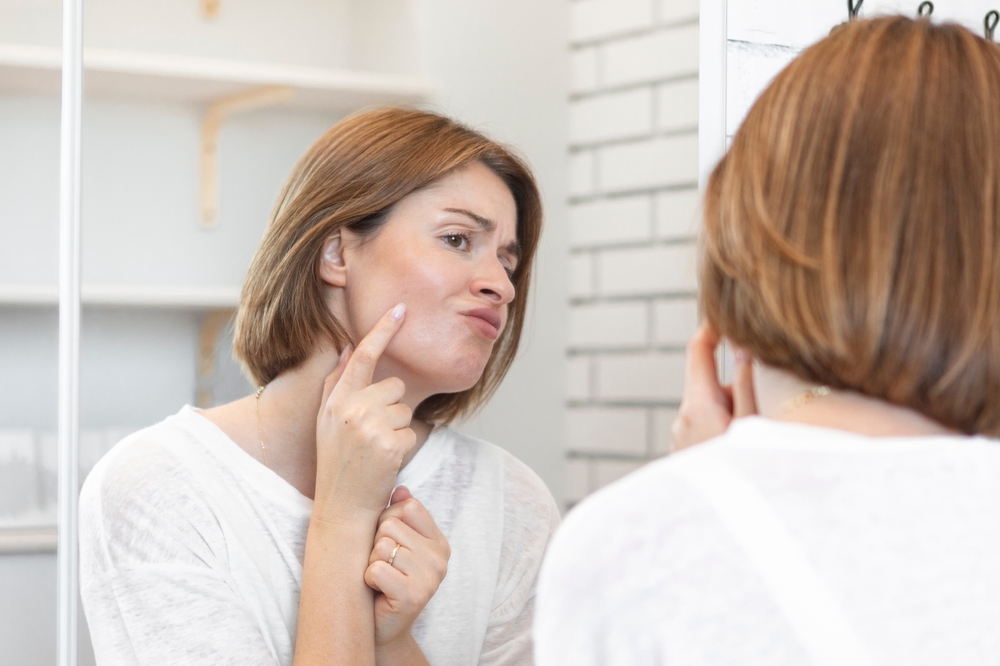
3. Persistent Acne, Especially Around the Jawline
Acne can be caused by many factors, but persistent adult acne may sometimes be linked to hormones. Hormonal acne is commonly related to increased oil production in the skin, which can clog pores and lead to breakouts. Cleveland Clinic notes that hormonal acne is linked to overproduction of sebum, which contributes to clogged pores and pimples.
Hormonal acne may appear on the lower face, jawline, chin, chest, or back. It may worsen before periods or continue even after teenage years.
When to check
You may need medical advice if acne is persistent, painful, worsening, leaving scars, or appearing together with irregular periods, excess hair growth, or hair thinning.
4. Excess Facial or Body Hair
New or increased hair growth on the face, chin, chest, abdomen, or other areas may be a sign of higher androgen levels. This is called hirsutism.
PMOS/PCOS is one of the common hormonal causes. The Office on Women’s Health lists excess hair growth, acne, thinning scalp hair, and irregular periods as common PCOS symptoms.
The World Health Organization states that PCOS affects an estimated 10–13% of reproductive-aged women and is associated with higher androgen levels, irregular periods, abnormal ovulation, acne, and excess facial or body hair.
When to check
Check with a healthcare professional if excess hair growth appears suddenly, increases quickly, or happens with irregular periods, acne, hair loss, or difficulty getting pregnant.
5. Hair Thinning or Hair Loss
Hormonal imbalance can affect hair growth. Some women may notice thinning hair on the scalp, increased shedding, or a pattern of hair loss that feels unusual.
This can happen with thyroid disorders, PMOS/PCOS, postpartum hormone changes, stress, nutritional deficiencies, or other medical causes. Hypothyroidism can cause dry or thinning hair, fatigue, weight gain, cold intolerance, and heavy or irregular periods.
When to check
Hair loss should be checked if it is sudden, severe, patchy, or accompanied by period changes, fatigue, weight changes, acne, or excess hair growth.
6. Unexplained Weight Changes
Weight changes can sometimes be connected to hormones. Unexplained weight gain may happen with thyroid problems, insulin resistance, PMOS/PCOS, stress-related changes, or perimenopause. Unexplained weight loss may also occur with overactive thyroid function or other medical conditions.
The FDA notes that PCOS is caused by an imbalance of reproductive hormones and may lead to symptoms such as irregular periods, extra hair growth, acne, oily skin, and fertility problems.
When to check
You should consider checking if your weight changes suddenly without a clear reason, especially if it happens with fatigue, irregular periods, increased thirst, acne, hair changes, or changes in appetite.
7. Constant Fatigue and Low Energy
Everyone feels tired sometimes. But constant fatigue that does not improve with rest can be a warning sign. Hormonal causes may include thyroid disease, insulin resistance, adrenal-related issues, perimenopause, or other medical conditions.
NIDDK lists fatigue as a common symptom of hypothyroidism, along with weight gain, cold intolerance, dry skin, thinning hair, heavy or irregular periods, and depression.
When to check
Fatigue should be evaluated if it is persistent, unexplained, severe, or comes with weight changes, low mood, irregular periods, hair changes, dizziness, or sleep problems.
8. Mood Changes, Anxiety, or Low Mood
Hormonal shifts can influence mood, emotional stability, and stress response. Some women notice mood swings before periods, during postpartum changes, or during perimenopause. However, mood symptoms that are intense, persistent, or affecting daily life should not be ignored.
PMOS/PCOS can also be associated with mental health symptoms. The NHS lists depression or anxiety among possible symptoms linked with PMOS.
When to check
Speak with a healthcare professional if mood changes are persistent, severe, or affecting your relationships, sleep, school, work, appetite, or daily routine.
9. Sleep Problems and Night Sweats
Hormonal changes can affect sleep. Some women may struggle with insomnia, wake frequently, or experience night sweats. These symptoms can be common during perimenopause, when estrogen and progesterone levels fluctuate.
Mayo Clinic lists irregular periods, hot flashes, night sweats, sleep problems, mood changes, vaginal dryness, and brain fog among common menopause-related symptoms.
When to check
Check if night sweats are frequent, severe, unexplained, or happening with weight loss, fever, irregular periods, or other new symptoms.
10. Hot Flashes or Sudden Heat Sensations
Hot flashes are sudden feelings of heat that may come with sweating, flushing, or discomfort. They are commonly associated with perimenopause and menopause, but they can also occur with other hormone-related changes.
Perimenopause can cause irregular periods, hot flashes, night sweats, vaginal dryness, sleep issues, and mood changes. Mayo Clinic notes that skipped periods during perimenopause are common and expected, but symptoms vary from person to person.
When to check
Hot flashes should be checked if they happen at a young age, are severe, disrupt sleep, or occur with missed periods, palpitations, weight changes, or other concerning symptoms.
11. Breast Changes or Milky Discharge
Breast tenderness can happen normally before periods. However, milky nipple discharge when not pregnant or breastfeeding may be linked to high prolactin levels.
Mayo Clinic notes that prolactinoma, a noncancerous tumor that produces extra prolactin, can cause irregular or absent periods, milky discharge from the breasts, breast soreness, painful sex due to vaginal dryness, acne, and extra body or facial hair.
When to check
You should check any unexplained nipple discharge, especially if it is milky, bloody, one-sided, persistent, or associated with missed periods, headaches, or vision changes.
12. Skin Changes: Oily Skin, Dark Patches, or Skin Tags
Hormones can affect the skin. Oily skin and acne may be linked to androgen changes. Dark, thick patches of skin, especially around the neck or armpits, may sometimes be linked to insulin resistance and PMOS/PCOS.
The NHS lists oily skin, acne, thick dark patches on the neck or armpits, weight gain, difficulty losing weight, irregular periods, and fatigue among possible PMOS symptoms.
When to check
Check if skin changes appear suddenly, worsen, or happen with irregular periods, weight changes, acne, excess hair growth, or fatigue.
13. Fertility or Ovulation Problems
Hormonal imbalance may affect ovulation, which can make it harder to predict fertile days or become pregnant. PCOS is one of the most common causes of ovulation problems. The WHO notes that PCOS is the most common cause of anovulation among women globally and is a leading cause of infertility.
When to check
If you are trying to conceive and periods are irregular, very infrequent, or absent, it is worth speaking with a healthcare professional for evaluation and support.
Possible Causes of Hormonal Imbalance in Women
Hormonal imbalance can happen for many reasons. Common causes include:
PMOS / PCOS
PMOS, commonly known in many sources as PCOS, is a hormonal and metabolic condition that can affect periods, skin, hair growth, ovulation, and long-term metabolic health. The NHS now describes PMOS symptoms as including irregular periods, excess hair growth or hair loss, weight gain or difficulty losing weight, difficulty getting pregnant, mental health symptoms, oily skin, acne, fatigue, and dark skin patches.
Thyroid Disorders
Both underactive and overactive thyroid function can affect energy, weight, mood, temperature tolerance, hair, skin, and menstrual cycles. Too much or too little thyroid hormone can make periods light, heavy, irregular, or absent.
Perimenopause
Perimenopause is the transition before menopause. Hormone levels fluctuate during this time, often causing irregular periods, hot flashes, night sweats, mood changes, sleep issues, and vaginal dryness.
High Prolactin
High prolactin can interfere with periods and may cause milky breast discharge when not pregnant or breastfeeding.
Stress, Sleep, and Lifestyle Factors
Chronic stress, lack of sleep, major lifestyle changes, restrictive dieting, over-exercise, and sudden weight changes may affect reproductive hormones and cycle regularity.
Medications or Medical Conditions
Some medications and medical conditions can affect hormones. If symptoms started after beginning or changing a medication, it is best to discuss this with a doctor or pharmacist rather than stopping medication on your own.
When Should Women See a Doctor?
You should consider medical advice if you notice:
- Periods that suddenly become irregular
- Missed periods for around 3 months or more
- Very heavy bleeding or bleeding lasting more than 7 days
- Bleeding between periods
- Bleeding after menopause
- Persistent acne with irregular periods
- Excess facial or body hair
- Hair thinning or sudden hair loss
- Unexplained weight gain or weight loss
- Constant fatigue
- Frequent night sweats or hot flashes
- Milky nipple discharge when not pregnant or breastfeeding
- Difficulty getting pregnant
- Severe mood changes or anxiety
- Symptoms that are getting worse or affecting daily life
Hormonal symptoms are common, but they are not something women should have to “just live with.” Evaluation can help identify the cause and guide the right treatment.
Can Lifestyle Support Hormonal Balance?
Lifestyle can support hormone health, especially when symptoms are connected to stress, sleep, nutrition, or metabolic health.
Helpful steps may include:
- Eating balanced meals with enough protein, fiber, and healthy fats
- Avoiding extreme dieting
- Getting regular physical activity without overtraining
- Prioritizing sleep
- Managing stress
- Reducing smoking and excessive alcohol intake
- Tracking periods and symptoms
- Managing blood sugar if insulin resistance is suspected
- Following medical treatment when needed
Lifestyle can help, but it should not replace medical care when symptoms are persistent, severe, or sudden.
Final Thoughts
Hormonal imbalance can show up in many ways: irregular periods, acne, hair growth, hair loss, fatigue, weight changes, mood shifts, sleep problems, hot flashes, or unusual bleeding. One symptom alone does not always mean something is wrong, but patterns matter.
Women should not ignore symptoms that are new, persistent, worsening, or affecting daily life. Your body often gives signals before a condition becomes more difficult to manage. Tracking your cycle and symptoms, then checking with a healthcare professional when needed, can help you get answers earlier and protect your long-term health.
FAQ
1. What are the most common signs of hormonal imbalance in women?
Common signs include irregular periods, acne, excess facial or body hair, hair thinning, unexplained weight changes, fatigue, mood changes, sleep problems, hot flashes, and unusual bleeding.
2. Can hormonal imbalance cause irregular periods?
Yes. Hormonal imbalance can affect ovulation and cycle timing. Thyroid problems, PMOS/PCOS, high prolactin, stress, perimenopause, and weight changes may all contribute to irregular periods.
3. Does acne mean I have a hormonal imbalance?
Not always. Acne can have many causes. However, persistent acne, especially when combined with irregular periods, excess hair growth, or hair thinning, may suggest a hormone-related cause.
4. Can thyroid problems affect periods?
Yes. Too much or too little thyroid hormone can make periods irregular, very light, heavy, or absent.
5. What is the difference between PCOS and PMOS?
PCOS is the widely used term for polycystic ovary syndrome. Some newer UK/NHS-related sources now use PMOS, or polyendocrine metabolic ovarian syndrome, to better reflect that the condition affects hormones and metabolism, not only the ovaries.
6. When should I worry about heavy bleeding?
You should seek medical advice if bleeding is very heavy, lasts more than 7 days, happens between periods, or causes weakness, dizziness, or fainting. ACOG advises urgent care if you are changing pads or tampons every hour for more than 2 hours in a row and also feel chest pain, shortness of breath, dizziness, or lightheadedness.
7. Can stress cause hormonal imbalance?
Stress can affect the body’s hormone signals and may contribute to delayed ovulation, late periods, sleep problems, appetite changes, and fatigue. If symptoms continue, medical evaluation is still important.
8. Can hormonal imbalance be treated?
Yes, many hormone-related conditions can be managed. Treatment depends on the cause and may include lifestyle changes, medication, hormonal treatment, thyroid treatment, PMOS/PCOS management, or other medical care.
References
- Cleveland Clinic — Hormonal Imbalance
- Office on Women’s Health — Thyroid Disease
- NIDDK — Hypothyroidism Symptoms
- ACOG — Abnormal Uterine Bleeding
- ACOG — Heavy and Abnormal Periods
- WHO — Polycystic Ovary Syndrome
- Office on Women’s Health — PCOS Symptoms
- NHS — PMOS Symptoms
- Mayo Clinic — Perimenopause and Menopause Symptoms
- Mayo Clinic — Prolactinoma Symptoms
About the Author
Dr. Suleiman Atieh is a pharmacist and founder of إلَيَّ, with a strong passion for healthcare marketing, brand strategy, and business development. He focuses on building meaningful healthcare brands that connect science, market needs, and modern communication.
Dr. Suleiman Atieh
Founder